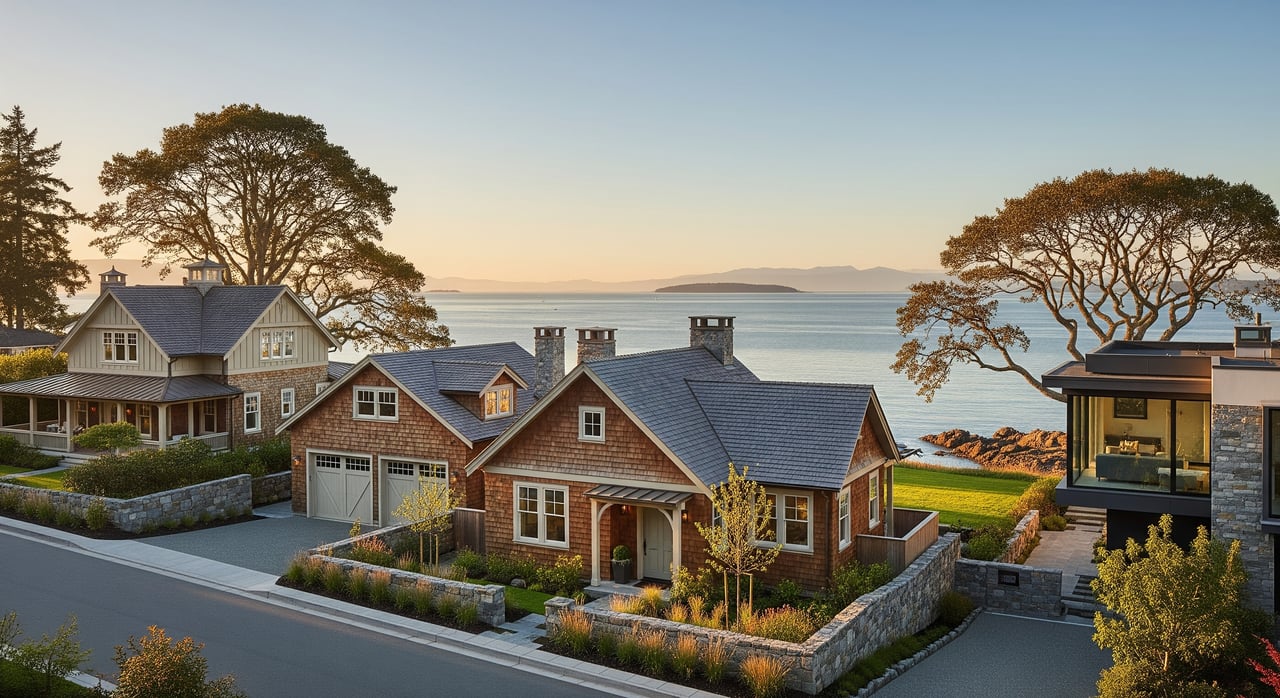
Thinking about an acreage, a seaside escape, or a low‑maintenance townhome in North Saanich, but not sure which fits your life best? You’re not alone. Between wells and septic systems, shoreline rules, and strata bylaws, the details can feel overwhelming. This guide breaks down the main housing types, explains how lot size and servicing shape your options, and gives you a practical checklist so you can tour with confidence. Let’s dive in.
North Saanich home types at a glance
Acreage estates
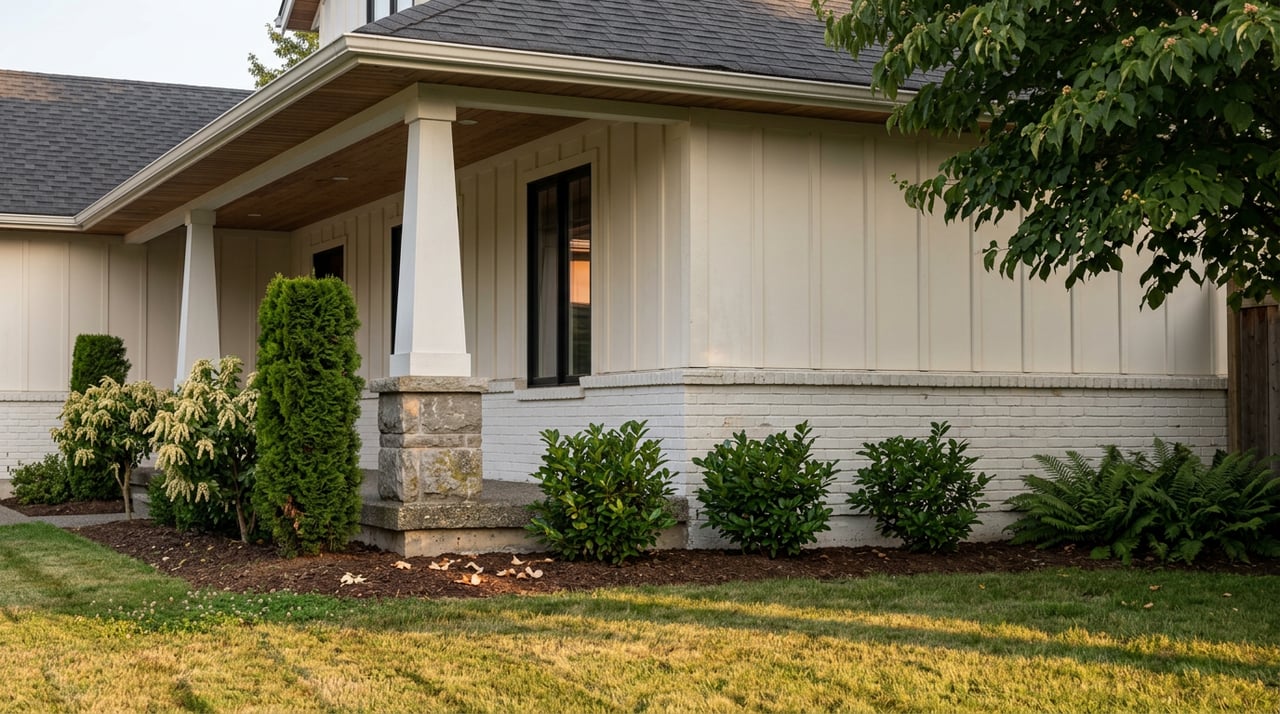
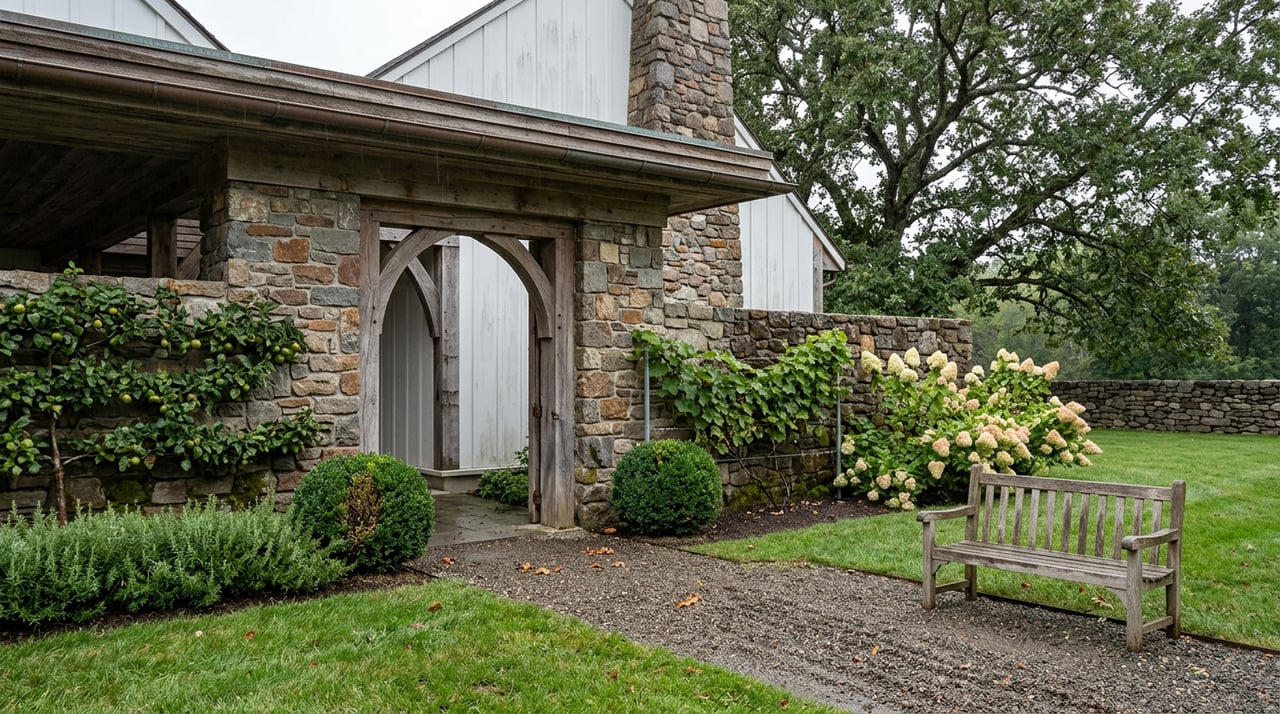
Acreage properties range from about half an acre to 10 or more acres, with larger rural lots farther from town centres. You’ll often see long driveways, big yards, outbuildings and space for hobbies like gardens or equestrian uses. The tradeoff for privacy and space is more upkeep and longer drives for services.
Many acreages use private wells and on‑site septic systems. Municipal water or sewer is not guaranteed, and private roads can come with shared maintenance agreements. If you plan to add a suite, shop, or barn, expect permits and possible servicing assessments.
Zoning, minimum lot size, and Agricultural Land Reserve status (if applicable) set clear limits on subdivision and non‑farm uses. Ownership often means higher maintenance and systems care, but also privacy and potential value tied to acreage scarcity and views.
Ocean‑adjacent and waterfront homes
Detached houses near or on the shoreline offer ocean views, access, and a classic peninsula lifestyle. Lots range from compact seaside parcels to larger waterfront estates. Some are fully serviced, while others still rely on wells and septic depending on municipal service boundaries.
Most private ownership ends at the natural boundary or high‑water mark. Docks, boathouses, or shoreline works typically require permits from multiple levels of government. Shoreline protection rules and riparian regulations can limit changes and may require environmental assessments.
You get premium lifestyle benefits, but you should budget for salt‑air maintenance and confirm insurability, especially where storm surge or sea‑level rise is a concern.
Townhomes and strata pockets
North Saanich includes small clusters of townhomes and low‑rise strata complexes, often near services and along the Sidney border. These homes usually have full municipal servicing and shared exterior maintenance handled by the strata.
Daily ownership is guided by BC’s strata framework. Bylaws can affect rentals, pets, and renovations, and the strata’s finances, reserve fund, and depreciation planning influence long‑term costs. You’ll trade yard space and privacy for convenient locations, predictable maintenance, and typically a lower entry price than detached homes.
Lot size and what it allows
Lot size ties directly to what you can build and how you can use the property. Zoning bylaws set minimum lot sizes for subdivision, permitted uses, setbacks, and lot coverage. These rules determine whether you can add a secondary suite, construct a detached accessory building, or split a parcel in the future.
BC Assessment classifies properties for taxation, and a farm or ALR classification comes with distinct rules and potential tax impacts. Larger lots offer room for outbuildings and gardens but require more upkeep. Smaller lots bring simpler maintenance and different site requirements that can limit expansion.
Servicing: water, sewer, wells and septic
Municipal water and sewer make maintenance simpler and often support additional dwelling units. If a property is on a well and septic, plan for ongoing inspections, pump‑outs, and careful capacity checks before adding bedrooms or a suite.
Septic systems follow provincial and local public health requirements, and upgrades may be needed to support more people or separate accommodations. For wells, buyers commonly request recent pump tests, yield figures, and water quality reports. Low well yield can limit household use and irrigation.
In rural pockets, verify utilities such as broadband, cell coverage, and natural gas availability. If you plan a major renovation, ask what trenching might be required to bring utilities to a new structure.
Bylaws, OCP and permit areas
The Official Community Plan sets the long‑term vision for land use, density, and protected areas. It also identifies Development Permit Areas, including shoreline and environmentally sensitive zones. If a property sits in a DPA, you may need environmental or geotechnical reports before you build or alter the site.
Rules for secondary suites, carriage houses, and home occupations vary by zone. Some zones allow suites with specific lot size, parking, and servicing requirements, while strata bylaws may prohibit suites altogether. If land is in the ALR, subdivision and non‑farm uses are tightly controlled and often require approvals.
Insurance and coastal risks
Ocean‑adjacent properties can face storm surge, erosion, and sea‑level rise risks. Insurers may apply higher premiums or exclusions in hazard zones, so get quotes early. Salt air accelerates wear on metalwork, HVAC components, and exterior finishes, which raises maintenance costs.
If you want a dock or mooring, you will need to confirm foreshore permissions and the permits required from provincial or federal bodies. Always check what is currently authorized and whether there are existing approvals tied to the property.
Viewing and due diligence checklist
Pre‑tour research
- Verify zoning and OCP designation with the District to confirm your intended use.
- Check for Agricultural Land Reserve status.
- Request a recent property tax notice and BC Assessment classification.
Questions for the listing agent or seller
- Is the property on municipal water and sewer? If not, ask for recent septic documents and well reports.
- Are there registered easements, right‑of‑ways, or covenants on title?
- For shoreline properties: does title extend to the natural boundary only? Are any docks or shoreline structures permitted or authorized?
- If strata, request the full strata package, including bylaws, rules, minutes, budgets, reserve fund balance, and any depreciation report.
Inspections to prioritize
- Full home inspection covering structure, roof, and HVAC.
- Septic inspection, pump‑out records, field mapping, and capacity review.
- Well inspection, including flow testing, static water level, pump condition, and certified water quality testing.
- Geotechnical or coastal erosion assessment for ocean‑adjacent or bluff properties.
- Hazard mapping review for flood or erosion exposure.
Title and planning checks
- Obtain a Land Title Office search to review encumbrances, easements, covenants, or mortgages.
- If you plan to subdivide or add dwellings, consult municipal planning on exact zoning rules and servicing requirements.
- Confirm any heritage designations or tree protection bylaws.
Financial and insurance review
- Ask for historical utility bills to estimate operating costs.
- Get insurance quotes early, especially for coastal or rural properties.
- For strata, calculate total monthly housing cost and ask about any pending special levies.
During your viewing
- Check access conditions and whether roads are public or private. Look for shared road maintenance agreements.
- Scan for signs of water intrusion, rot, and salt‑air impacts on exterior finishes.
- Test mobile and internet performance on site.
- Consider commute patterns, transit options, and winter road conditions.
Negotiation and condition period
- Typical subjects include financing, inspection, title review, insurance, strata review, septic and well testing, and municipal use confirmation.
- Use professionals familiar with rural and coastal issues, including septic specialists, well technicians, local planners, and coastal or geotechnical engineers.
Where to verify facts and documents
- District of North Saanich: zoning maps, OCP, bylaws, permits, property tax info, and servicing maps.
- Capital Regional District: regional water and servicing information and mapping.
- BC Assessment: property assessments and classification details.
- Land Title and Survey Authority of BC: definitive title searches and registered charges.
- Agricultural Land Commission: ALR status, policies, and applications.
- Island Health and provincial guidance: onsite sewage and well water testing.
- BC Strata Property legislation: governance, bylaws, reserve planning, and required strata records.
How to choose the right fit
Start with how you want to live day to day. If privacy, gardens, or hobby space matter most, acreages offer room to grow, along with higher maintenance and system care. If you want the ocean on your doorstep, expect shoreline rules and plan for maintenance and insurance diligence. If low‑stress living near services appeals to you, a townhome or strata pocket can simplify ownership, as long as you are comfortable with bylaws and monthly fees.
Align your wish list with zoning, servicing, and long‑term plans. The more you know before you write an offer, the smoother your purchase will be. If you want help comparing options or assembling the right inspectors and local experts, we’re here for that.
Ready to explore North Saanich with a clear plan? Reach out to the team you can trust for boutique guidance and strong negotiation. What’s Your Property Worth? Let’s talk at Coastal Living Collective, Victoria BC.
FAQs
What housing types are common in North Saanich?
- Acreage estates, ocean‑adjacent and waterfront single‑family homes, and smaller clusters of townhomes or low‑rise strata complexes are the primary options.
How do wells and septic affect a purchase?
- Private systems require regular inspections and maintenance, and capacity can limit additions like suites or extra bedrooms, so request recent reports and plan for ongoing care.
Can I add a suite or carriage house on my lot?
- It depends on zoning, lot size, parking, and servicing; check with the District and review any strata bylaws if the property is part of a strata.
What should I check for a waterfront home?
- Confirm the natural boundary on title, review any foreshore or dock permissions, assess coastal hazards, and obtain insurance quotes early due to potential risk exposures.
Where can I verify zoning and permits?
- Contact the District of North Saanich planning and building departments for zoning, OCP, development permits, and servicing maps, and use LTSA for definitive title records.