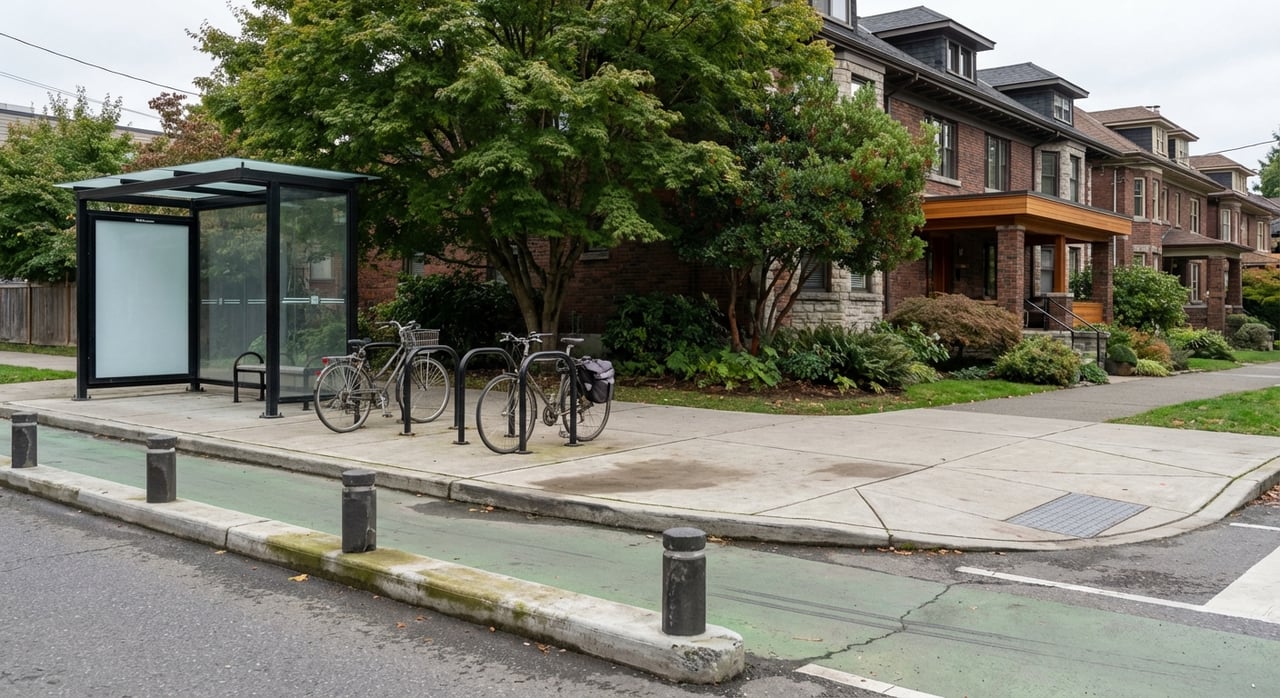
Picture your daily routine without circling for parking or planning every errand around traffic. In Victoria’s core, you can walk to cafés, ride the waterfront, hop on a bus to UVic, and be home in time for sunset by the harbour. If you’re curious about car-light living, this guide shows you what it looks like in the neighbourhoods where it works best, how to get around, and what to expect from local housing options. Let’s dive in.
Why car-light living works here
Central Victoria’s compact grid, mixed-use streets, and abundant parks make daily life on foot feel natural. Many core neighbourhoods score “very walkable” to “walker’s paradise” on Walk Score, with areas like Harris Green and Fairfield ranking near the top. You can check neighbourhood scores anytime on the city page for Walk Score’s Victoria listings.
Transit adds serious flexibility. Downtown is the region’s main interchange, so routes to UVic, Royal Jubilee Hospital, Saanich, and the ferry at Swartz Bay all connect through the core. Schedules and maps are easy to plan with on BC Transit’s Victoria site.
Cycling is both practical and scenic. The Galloping Goose and Lochside regional trails link downtown to surrounding municipalities, while the City’s “All Ages and Abilities” network continues to bring more protected, low-stress routes online. See the CRD’s Galloping Goose and Lochside trail pages, and the City’s AAA cycling network updates for current connections.
A quick reality check: most of your week can run on foot, bike, and bus. For big-box errands or weekend getaways, carshare or a rental can fill the gap.
Neighbourhood snapshots
Downtown (Victoria, Harris Green, Inner Harbour)
If you want the easiest car-light lifestyle, downtown is your launchpad. It sits at the top of local walkability rankings, and your front door is a few blocks from groceries, pharmacies, fitness studios, cultural venues, and government services. The James Bay Thrifty Foods at 475 Simcoe Street is a short walk from parts of the downtown peninsula, giving you a reliable full-service grocery option within reach. Check store details on Thrifty Foods’ James Bay page.
Downtown is also the hub for bus routes across Greater Victoria, which makes riding transit to UVic, Royal Jubilee Hospital, or the ferries straightforward. Plan trips and check frequencies on BC Transit’s Victoria schedules.
For cycling, you’re close to the waterfront paths, on-street bike lanes, and quick links to the Galloping Goose. The Johnson Street Bridge area connects directly to regional trails, so longer rides to the West Shore or Saanich can skip major arterials.
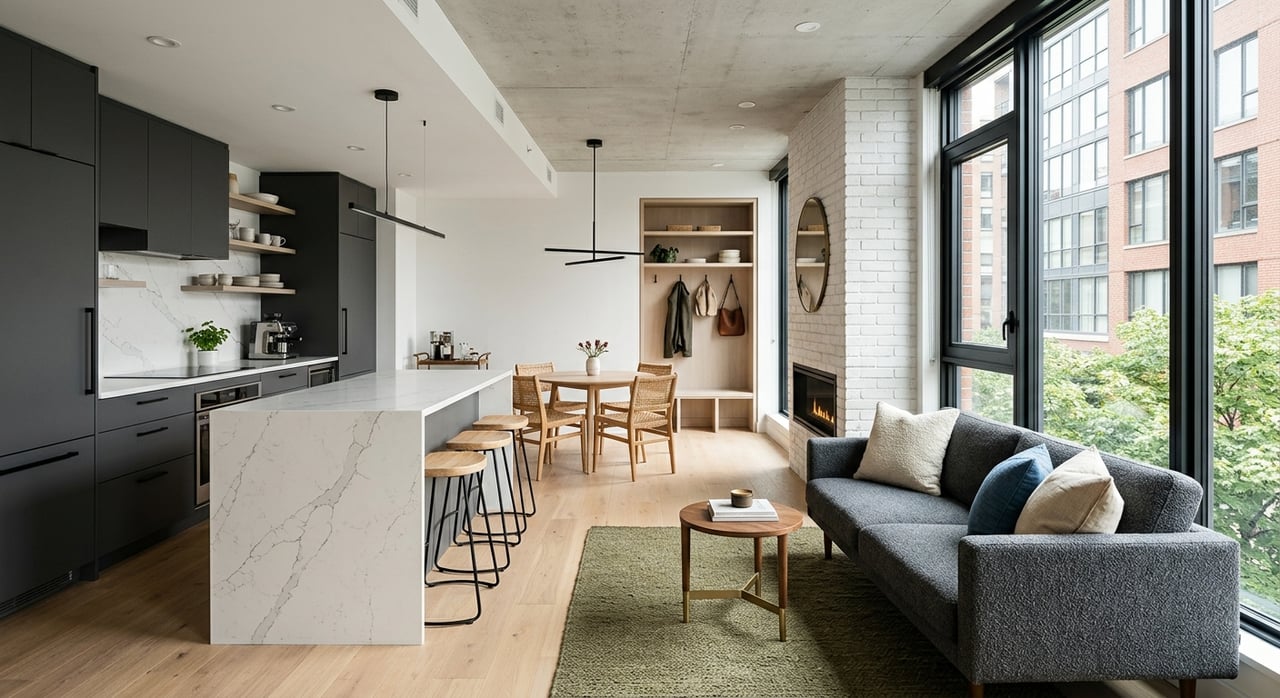
Housing here is mostly condominium apartments and purpose-built rentals, in mid-rise and high-rise formats. Many buildings include bike storage and some offer parking, though smaller suites may omit it or charge separately. If you want a compact home and unmatched access to services, downtown is a strong fit.
James Bay
James Bay combines peninsula living with practical access to everything downtown. It’s rated very walkable on Walk Score, and many streets are a pleasant stroll to the Inner Harbour and Beacon Hill Park. Local routes serve the area directly, with easy links back to downtown and the wider network.
Cyclists love the Dallas Road waterfront for both recreation and commuting. From here you can roll into the city or connect to regional trails. If your day includes a beach walk, a café stop, and a quick ride to an errand, James Bay lines up nicely.
Everyday needs are covered close to home. James Bay Village has cafés and shops, and the neighbourhood grocery anchor is Thrifty Foods in James Bay. Beacon Hill Park and the Inner Harbour add generous public space for walking, meeting friends, and running errands on foot.
Housing ranges from older character homes to a wide selection of low- and mid-rise condos, plus several waterfront towers. If you want a balance of walkability, parks, and coastal scenery, James Bay is a natural shortlist.
Fairfield (including Cook Street Village)
Fairfield is one of Victoria’s most walkable residential districts, and Cook Street Village is the heart of it. You’ll find cafés, specialty food shops, and community programming within a short stroll. Transit routes that run between downtown and UVic pass through or near Fairfield, which keeps campus or city commutes simple.
Cyclists rely on Richardson and Cook Street connections to reach the core and coastal routes, and planned AAA network improvements aim to keep those rides more comfortable. You can review the latest alignments on the City’s AAA cycling network page.
Park lovers benefit from Beacon Hill Park and Dallas Road nearby, adding easy green space and shoreline access without a drive. For community programming, look to Fairfield Community Place via the City’s centres page.
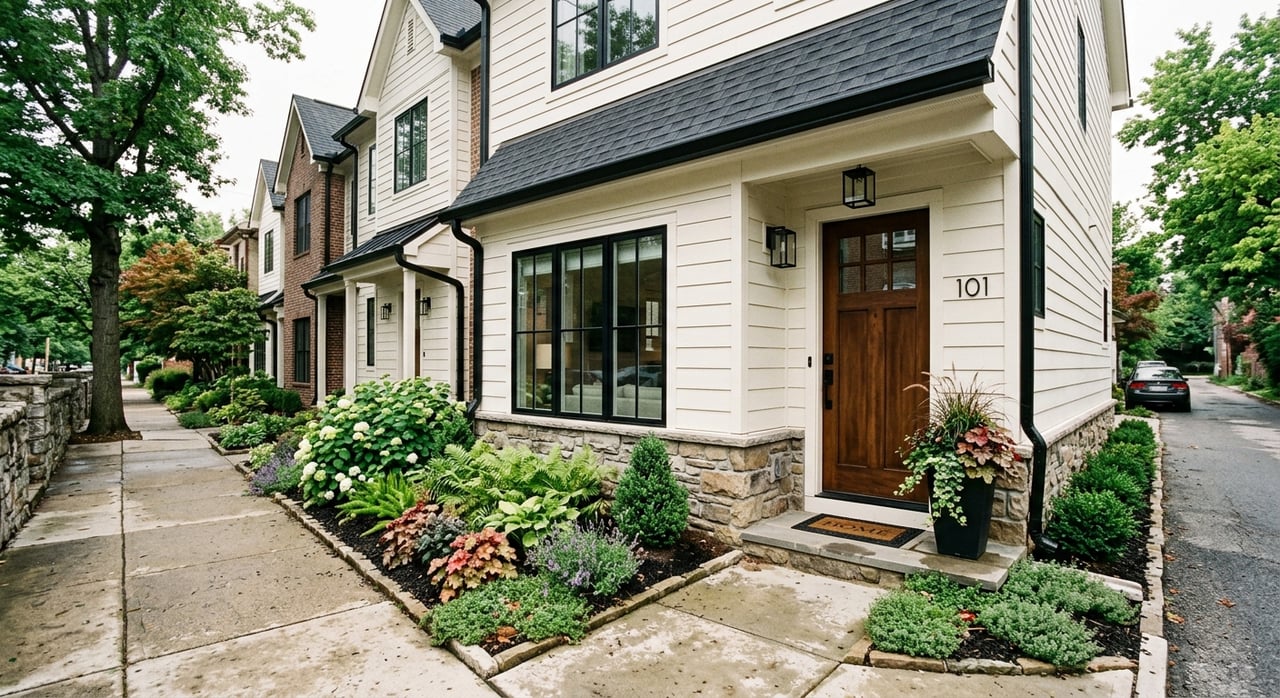
Housing in Fairfield mixes single-family and heritage homes with low-rise condos and some townhomes. Buyers who want a house-based lifestyle in a walkable setting often start here, though price points can sit at or above broader core benchmarks.
Getting around without a car
Transit tips
Downtown is the region’s transit interchange. Lines along key corridors link the core to UVic, Royal Jubilee Hospital, Saanich, and the ferry at Swartz Bay. Trip planning and live schedules are the most reliable way to check ride times and transfers, so keep BC Transit’s Victoria schedules and maps bookmarked.
If you’re traveling farther, transit also connects to the ferries and provides options to reach the airport via dedicated routes. Seasonal changes can affect timings, so verify before you go.
Cycling and trails
Two regional paths, the Galloping Goose and Lochside trails, act like protected commuter highways for bikes and e-bikes. They bring riders into downtown from municipalities across the region.
Within the city, the AAA cycling network is adding more separated corridors on routes like Fort and through James Bay. That means more low-stress options for school drop-offs, grocery runs, and office commutes.
Micromobility and carshare
When you need four wheels, carshare fits nicely into a car-light routine. Providers such as Modo, Zipcar, and Evo operate in the region, with details and locations listed by the Downtown Victoria Business Association on its Getting Around page. Taxis and ride-hail work for late-night rides or airport trips. If you’re shopping for a condo, look for buildings with secure bike storage and consider whether included parking is a must-have or a nice-to-have.
Everyday essentials within reach
- Groceries and pharmacies: You’ll find several small-format markets in the core, plus full-service options like Thrifty Foods in James Bay. Many errands are a short walk in downtown, James Bay, and Fairfield, which aligns with Walk Score’s high ratings for Victoria’s core.
- Health: Royal Jubilee Hospital is a major care hub near the core, accessible by transit. See location details via Island Health’s RJH page.
- Community centres and childcare: Look to Fairfield Community Place, James Bay Community School Centre, and others listed on the City’s community and seniors centres page for programs, classes, and services.
- Parks and waterfront: Beacon Hill Park and the Dallas Road waterfront offer daily nature time without driving. These green and blue spaces make active living feel easy.
Housing types and price context
If you’re early in your search, it helps to anchor expectations with region-wide benchmarks. According to the Victoria Real Estate Board’s market report published February 2, 2026 for January 2026 sales, the MLS HPI benchmark value for a single-family home in the Victoria Core was $1,265,500, and the benchmark for a condominium in the Victoria Core was $537,800. The report also noted that the January 2026 market sat at the threshold between balanced and a buyer’s market. You can review the latest stats on VREB’s current statistics page.
How that maps to the neighbourhoods in this guide:
- Downtown and James Bay: Condominiums dominate, from studios to two-bedroom suites. The condo benchmark above is a practical starting point. Expect premiums for waterfront towers, recent renovations, views, or larger floor plans.
- Fairfield: More single-family and character homes, alongside low-rise condos and some townhomes. Detached homes in Fairfield commonly trade at or above the core single-family benchmark, shaped by lot size, proximity to parks and the coast, and the home’s age and character.
Practical tip: Many strata buildings advertise secure bike storage. Some units include parking, others treat it as optional or separate. If car-light living is your goal, weigh parking as a lifestyle choice rather than a requirement, and confirm storage and transit access during viewings.
Is car-light living right for you?
If most of your week happens in or near the core, the answer is often yes. You can walk to daily services, ride protected trails for longer trips, and use frequent transit to reach work, school, or the ferry. For the occasional haul or road trip, carshare fills the gap without the cost of full-time ownership.
Before you commit, try a test week. Use BC Transit’s trip planner for your commute, preview cycling routes on the City’s AAA network page, and map weekend errands using the CRD trail pages. Then tour homes that match your lifestyle goals and storage needs.
Thinking about your next move in downtown, James Bay, or Fairfield? Let’s talk about the places that fit how you want to live. Reach out to the team at Coastal Living Collective, Victoria BC for neighbourhood guidance, curated vendor referrals, and a calm, concierge experience.
FAQs
Can I live without a car if I work in downtown Victoria?
- Yes. Downtown and nearby areas score highly on walkability per Walk Score’s Victoria listings, and frequent routes connect across the region via BC Transit.
How do I reach UVic or the ferry without a car?
- Use the downtown hub to transfer to routes serving UVic and peninsula feeders to Swartz Bay; check live options on BC Transit’s Victoria schedules and maps.
Where can I store a bike in a Victoria condo?
- Many condominium buildings advertise secure bike storage; confirm availability and location during showings and in strata documents before you buy.
What are typical home prices in these core neighbourhoods?
- VREB’s January 2026 benchmarks for the Victoria Core are $1,265,500 for single-family homes and $537,800 for condos; see VREB’s current statistics for the latest report.
What if I need a car occasionally in the core?
- Carshare providers such as Modo, Zipcar, and Evo operate locally; see the DVBA’s Getting Around page for current details and locations.
Are there safe cycling routes for everyday errands?
- Yes. The City’s AAA cycling network adds protected in-town routes, and the CRD’s Galloping Goose and Lochside trails offer low-stress regional connections.