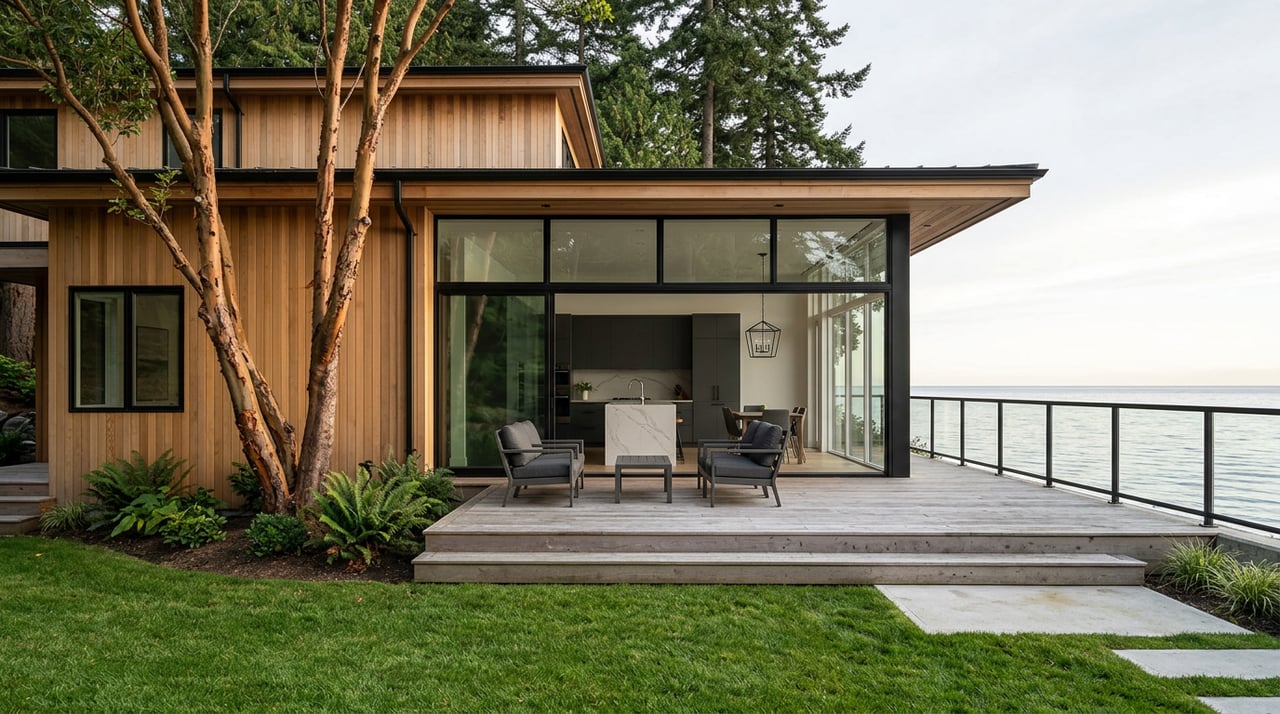
Picture morning coffee over calm water or sunset strolls along a quiet shoreline. If North Saanich has been on your radar for waterfront or acreage living, you already know the setting is special. What you may not know is how zoning, moorage rules, and services like wells and septic shape what you can build and how you live. This guide breaks it down so you can move forward with clarity and confidence. Let’s dive in.
Why North Saanich appeals
You get a peaceful, coastal setting with room to breathe. Many buyers come for privacy, usable land, and access to boating, plus proximity to local marinas and YYJ. If you value ocean views, space for a garden or guest cottage, and a calm pace, North Saanich delivers that mix.
Zoning and lot sizes
Before you fall in love with a view, confirm the property’s zone. North Saanich’s Zoning Bylaw divides land into rural agricultural zones (RA-1 to RA-6), single-family residential zones (R-1 to R-3), and marine zones. It sets what you can build, where you can build it, and minimum lot sizes for new subdivisions. For full details, review the District’s Zoning Bylaw No. 1255 (Consolidated 2023) in the official document at the District of North Saanich website.
- Rural agricultural minimums you will see often:
- RA-1: minimum new lot size 20 hectares (about 49.4 acres)
- RA-2: 4 hectares (about 9.9 acres)
- RA-3: 2 hectares (about 4.94 acres)
- RA-4: 8,000 m² (0.8 ha, about 1.98 acres)
- RA-5: 4,000 m² (0.4 ha)
- RA-6: 10 hectares (about 24.7 acres)
- Many R-1 style residential areas anticipate both community water and sewer, while rural acreages often rely on wells and on-site septic.
Tip: “Acreage” is not one size. A 0.4 ha RA-5 lot lives very differently from a 10 ha RA-6 property. Always check the zoning map and the listing’s legal description, then confirm Development Permit Areas for shorelines where they apply.
Waterfront rules and moorage
Owning waterfront does not automatically mean you can build a large private dock. Two layers of rules apply: municipal marine zoning and separate provincial and federal authorizations. The District’s bylaw sets specific size limits for non-commercial piers, ramps, and floats in marine zones. According to the bylaw, typical limits include:
- Piers or jetties: maximum width 1.5 m and maximum length 15 m measured seaward from the natural boundary.
- Ramps: maximum width 1.5 m and maximum length 10 m from the end of a pier.
- Floats: maximum area 40 m² and not extending more than 10 m from a fixed pier or ramp. Only one float may be attached to a pier or ramp.
- Non‑commercial moorage facility: maximum size 40 m² and maximum length 30 m with other siting restrictions, plus strict rules around storage, fuel or repairs, and pedestrian access.
These municipal limits mean smaller private moorage is the norm. Larger or deeper water slips are typically found at existing marinas, not at private docks.
Crown tenure and DFO approvals
Beyond municipal zoning, the foreshore and seabed are usually provincial Crown land. If you plan to occupy the foreshore with a dock, ramp, float, or group moorage, you will likely need a Crown tenure such as a licence of occupation under the Land Act. The Province outlines residential and moorage tenures, application steps, and fees on its Crown land program site.
In addition, any work in or near water that can harm fish or fish habitat may need a federal review. Fisheries and Oceans Canada explains when a Fisheries Act authorization is required and what to submit in its Applicant’s Guide. It is smart to contact DFO early to understand timing and requirements.
Practical next step: if moorage is important to you, verify three things up front. Confirm the property’s marine zoning and bylaw limits, check whether a current Crown foreshore licence exists, and ask whether past federal approvals were issued for the structure.
Water, sewer, wells, and septic
North Saanich operates a municipal water system, but not every property is connected to sewer. Many acreages use private wells and on-site septic systems. The District’s Water System Master Plan provides an overview of how the system is laid out and where upgrades are planned. Sewer services are established for some local areas, but coverage varies by street. Confirm water and sewer connections for each property you consider.
For rural properties, plan for due diligence on:
- Septic: pumping and inspection records, age and capacity of the system, and confirmation that the location meets setback rules.
- Well: recent yield tests and lab results for potability. Many buyers test for salts and common contaminants to understand treatment needs.
- Potential connection charges: if you plan to connect to a main in the future, ask about any local improvement or connection fees.
Shoreline hazards to check
For waterfront purchases, factor in geotechnical stability, erosion potential, and long-term coastal flood risk. The District’s document library indexes coastal flooding guidance and hazard mapping. Development on or near the shoreline may require a Development Permit, so review the applicable schedules and engage qualified professionals early.
Property types and value drivers
When you compare properties, look at how the site type and permissions influence lifestyle and price:
- Estate-style waterfront: often larger lots with privacy and low-bank access. Value is shaped by legal, permitted moorage or a nearby marina slip, views, and space for accessory buildings within the zone’s rules.
- Rural acreage upslope: more land and privacy, often without private docks. Buyers trade direct moorage for space, quiet, and quick access to marinas by road.
- Marina-oriented living: homes that secure convenience through a slip or community moorage. Policies and slip availability vary by operator. Review details using local marina FAQs.
Key value drivers to weigh:
- Legal moorage: an existing, authorized foreshore tenure or a secured marina slip is often the biggest differentiator for boaters.
- Shoreline type: low-bank versus high-bank, exposure to waves and wind, and shelter from fetch.
- Services: municipal water and sewer versus private well and septic.
- Privacy and usable area: how much of the lot can be improved given setbacks, DPAs, and zoning for accessory structures.
- Proximity to marinas and YYJ: helpful if you travel or cruise often.
Buyer checklist before you write an offer
Use this quick list to keep your diligence on track:
- Zoning and ALR: match the listing’s claims to the actual zoning and any Agricultural Land Reserve status, plus covenants or easements on title. Start with the District of North Saanich Zoning Bylaw for definitions and rules.
- Marine zoning and moorage size: if you want a dock, confirm municipal marine-zone limits for piers, ramps, and floats using the bylaw text.
- Crown tenure: ask for copies of any current foreshore licence or lease. If none exists, confirm application steps and feasibility through the Province’s Crown land residential use page.
- DFO review: if in-water work is proposed, review the Fisheries and Oceans Canada Applicant’s Guide to understand when an authorization is required.
- Septic and well: obtain recent septic pumping and inspection records, plus well yield and water quality test results. The Water System Master Plan is a useful context check on nearby municipal infrastructure.
- Hazard mapping: check District coastal flood and geotechnical guidance in the document library. Ask about past geotechnical reports on the property.
- OCP and DPAs: confirm whether a Development Permit Area applies to the shoreline or foreshore. Review the Official Community Plan pages for applicable schedules.
- Marina options: if private moorage is not feasible, check local slip availability and policies. The North Saanich Marina FAQ is a helpful starting point.
If you are just beginning, line up a quick call with municipal planning for zoning and DPA questions, FrontCounter BC for Crown tenure process, and DFO for in-water works. These conversations help you set realistic timelines and avoid surprises.
Ready to explore North Saanich with a local team that blends boutique service with smart, practical guidance? Reach out to Coastal Living Collective, Victoria BC to talk through moorage needs, zoning questions, and the best-fit properties for your goals.
FAQs
Can I build a private dock on North Saanich waterfront?
- Usually only if you meet municipal size limits, secure a provincial Crown foreshore tenure, and address federal Fisheries Act requirements; start by confirming marine zoning in the District bylaw, then speak with the Province and DFO about feasibility and timelines.
Who owns the beach or foreshore in front of a property?
- Upland ownership typically stops at the natural boundary, while the foreshore and seabed are usually provincial Crown land, so public rights and Crown approvals still apply even if you own waterfront.
Do most North Saanich acreages have municipal water and sewer?
- The District operates a water system but sewer coverage is limited in rural areas, so many acreages use wells and septic; confirm servicing on a property-by-property basis with the Water System Master Plan as context.
What inspections should I do for wells and septic before buying?
- Order a septic pumping and inspection with system location and capacity notes, plus well yield and lab-tested water quality; ask about any future connection fees if you plan to hook up to municipal services.
How can I secure boat moorage if a private dock is not possible?
- Explore local marinas for slip options and policies since availability, slip length limits, and live-aboard rules vary; the North Saanich Marina FAQ is a good place to begin.