If you are thinking about selling this spring, timing alone is not the strategy. In Victoria, spring is usually the busiest selling season, but it also brings more listings and more competition. That means your result may depend less on simply listing in spring and more on how well you prepare, price, and launch. Let’s dive in.
Why spring matters in Victoria
Victoria’s spring market is typically the busiest part of the year. The Victoria Real Estate Board notes that spring and fall are the most popular times to market a home, and May is often near the local peak of activity.
That seasonal pattern matters because more buyers tend to be active, but more sellers are too. In its May 2024 market update, VREB reported 763 sales and 3,338 active listings, pointing out that higher inventory gave buyers more choice and reduced pressure on pricing. For you, that means spring can improve visibility, but it does not guarantee a premium price.
What spring 2026 looks like
The 2026 market is starting from a more normal seasonal rhythm than the pandemic years. In January 2026, VREB said sales were following the more predictable seasonal pattern seen in 2023 and 2024, but with much more inventory on the market.
By February 2026, sales rose to 465 from 339 in January, while active listings increased to 2,903 from 2,624. VREB said January was on the threshold between balanced and buyer’s market conditions, while February’s stronger sales helped move the market back toward balance.
This is the key takeaway for sellers: spring 2026 is not a shortage market. Buyers have options, so preparation, pricing, and presentation still matter.
Pricing needs a local lens
One of the biggest mistakes sellers make is treating Victoria like one uniform market. VREB describes the region as small but diverse, with many neighbourhood-level conditions that can vary by area and property type.
That is why your pricing strategy should focus on nearby comparable homes, not broad citywide headlines. In January 2026, detached home sales were strongest in Saanich East and Langford, while condo sales were strongest in Langford, Saanich East, and Victoria, according to VREB’s January report.
For example, a condo in Victoria proper and a detached home in Saanich East may be moving at very different speeds. If you are selling in Oak Bay, Fairfield, James Bay, central Victoria, or another Greater Victoria micro-market, your best pricing guidance comes from the most similar recent sales and current competition around you.
Benchmark prices tell a clearer story
When you read market updates, benchmark prices are often more useful than average sale prices. VREB explains in its MLS statistics overview that the MLS Home Price Index is designed to smooth out changes caused by the mix of homes sold from month to month.
In February 2026, the Victoria Core benchmark was $1,307,400 for a single-family home and $545,600 for a condominium, both slightly lower than a year earlier, according to VREB current statistics. That does not mean every home lost value in the same way. It means the broader pricing direction has been tempered by higher inventory and balanced conditions.
Inventory is shaping seller strategy
Inventory is one of the biggest forces shaping this spring market. VREB’s January 2026 statistics package says that sales-to-active-listings ratios below 17% suggest downward pressure on prices, 17% to 28% indicate balance, and above 28% indicate upward pressure.
That framework helps explain why pricing discipline matters right now. In a more balanced market, buyers can compare more homes before making an offer, and overpriced listings can lose momentum. Your first impression matters more when buyers have more choice.
Interest rates still affect buyer behavior
Even in a seasonal market, financing conditions shape demand. The Bank of Canada held its policy rate at 2.25% on March 18, 2026, and that stability may help support buyer activity.
At the same time, rate expectations and affordability still influence urgency. The research from BCREA and CMHC suggests lower rates and pent-up demand may support resale activity in 2026, but elevated inventory is likely to limit stronger price growth. For you as a seller, that means spring buyer traffic may improve exposure, but buyers are still paying attention to value.
A smart timeline starts 4 to 8 weeks early
If you want to list in spring, planning should usually begin 4 to 8 weeks before launch. VREB’s guidance on what a listing entails emphasizes the importance of a comparative market analysis, an asking-price range, and a marketing plan that includes MLS exposure, showings, and open houses.
A thoughtful prep window also gives you time to fix issues that could weaken your first week on market. In a season with more competing listings, rushing often costs more than waiting a few extra weeks to launch well.
6 to 8 weeks before listing
This is the time to build the foundation for your sale.
- Choose your real estate team
- Review comparable sales and active competition
- Set a likely price range
- Identify repairs or updates worth doing
- Book contractors for work that could affect timing
Larger projects are best handled early so they do not delay your launch.
3 to 4 weeks before listing
This stage is about presentation. VREB and CREA both stress that buyers respond to homes that feel clean, cared for, and easy to picture themselves in.
Focus on:
- Painting and exterior touch-ups
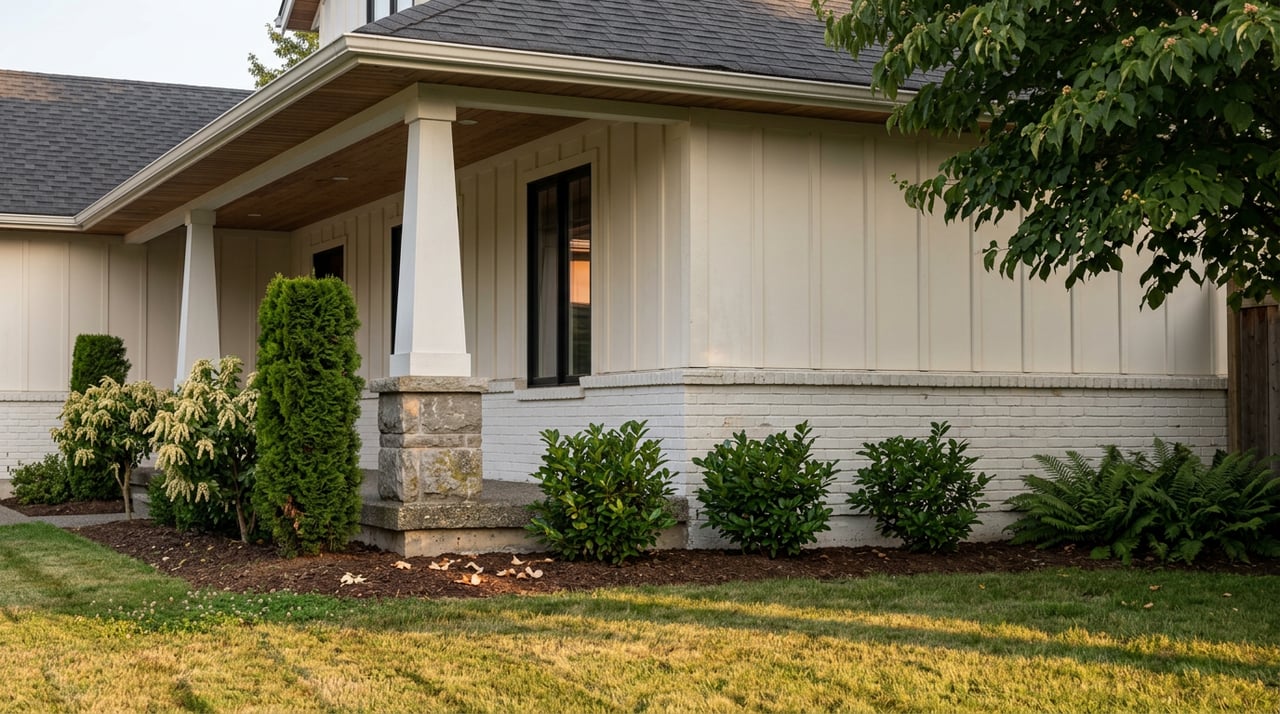
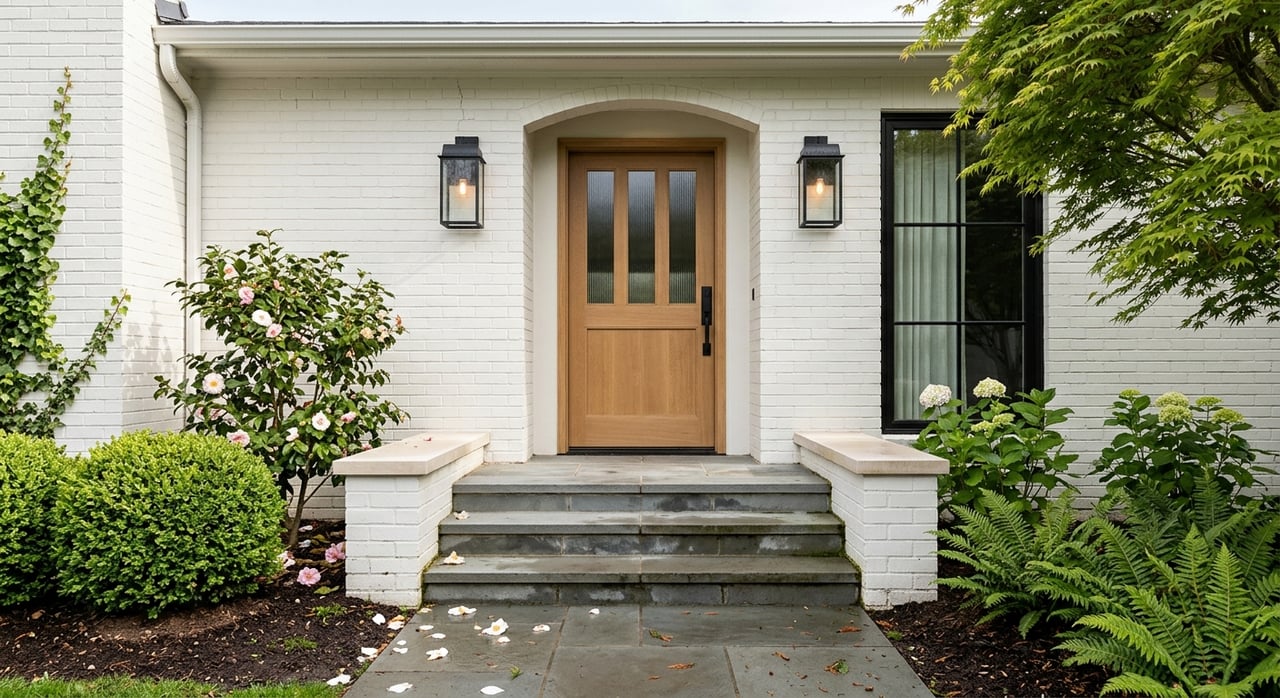
- Landscaping and curb appeal
- Deep cleaning
- Decluttering
- Removing personal items such as family photos
- Fixing obvious exterior issues where possible
According to CREA’s seller prep guidance, curb appeal and visible maintenance can make a meaningful difference in how buyers respond.
1 to 2 weeks before listing
Now it is time to prepare for market exposure.
- Complete staging
- Arrange professional photography and video
- Finalize listing copy and disclosures
- Plan showing logistics
- Schedule open houses if they fit your strategy
VREB notes that MLS exposure is the broadest marketing channel, and open houses remain part of a standard seller marketing plan.
Launch week
Go live only when the home is fully ready. In a market with more inventory, the first few days can shape buyer perception and momentum.
That means clean presentation, polished visuals, a realistic price, and a clear launch plan should all be in place before the listing goes live.
Should you wait for peak spring?
Not always. Spring is Victoria’s busiest seasonal window, but it is also when more listings typically appear.
If your home still needs repairs, touch-ups, or staging, waiting a few weeks may help you launch stronger. If your home is already polished and priced well, listing in early spring may help you stand out before inventory builds further.
The better question is not “Should I wait for spring?” It is “Will my home be fully ready when buyers see it?”
Does spring mean a higher sale price?
No. Spring can improve exposure, but it does not override supply, property type, location, or financing conditions.
The current Victoria data show a market moving toward balance, not a market where every seller can expect aggressive price growth. If you price too high because it is spring, buyers may simply move on to the next listing.
What sellers in Victoria should do now
If you are considering a spring sale, focus on the factors you can control:
- Study your micro-market, not just Greater Victoria headlines
- Use nearby comparable homes of the same property type
- Plan your prep timeline at least 4 to 8 weeks out
- Invest in presentation before launch
- Price for current conditions, not last year’s expectations
This spring, Victoria looks active but more balanced. That can still create excellent opportunities for sellers, especially when your home is thoughtfully prepared and professionally presented.
If you are weighing whether to list now or a few weeks from now, a local strategy matters more than a generic seasonal rule. The team at Coastal Living Collective, Victoria BC can help you map out timing, presentation, and pricing with a plan built for your home and your neighbourhood.
FAQs
When is the best time to sell a home in Victoria?
- Spring is usually one of the busiest selling seasons in Victoria, but the best timing depends on your home’s condition, your local competition, and whether you can launch fully prepared.
Does the Victoria spring market always bring higher prices?
- No. Spring often brings more buyer activity, but it also brings more listings, and current VREB data show that higher inventory can reduce pressure on pricing.
How far in advance should you prepare for a Victoria spring listing?
- A practical timeline is usually 4 to 8 weeks before launch so you have time for pricing strategy, repairs, cleaning, staging, and marketing preparation.
Should Victoria condo sellers and house sellers use the same pricing strategy?
- No. Victoria is a set of micro-markets, and pricing should reflect your property type, neighbourhood, and nearby comparable listings rather than a broad regional average.
What matters most for a successful home sale in Victoria this spring?
- Strong presentation, realistic pricing, and a clear launch plan matter most in a balanced market where buyers have more choice.