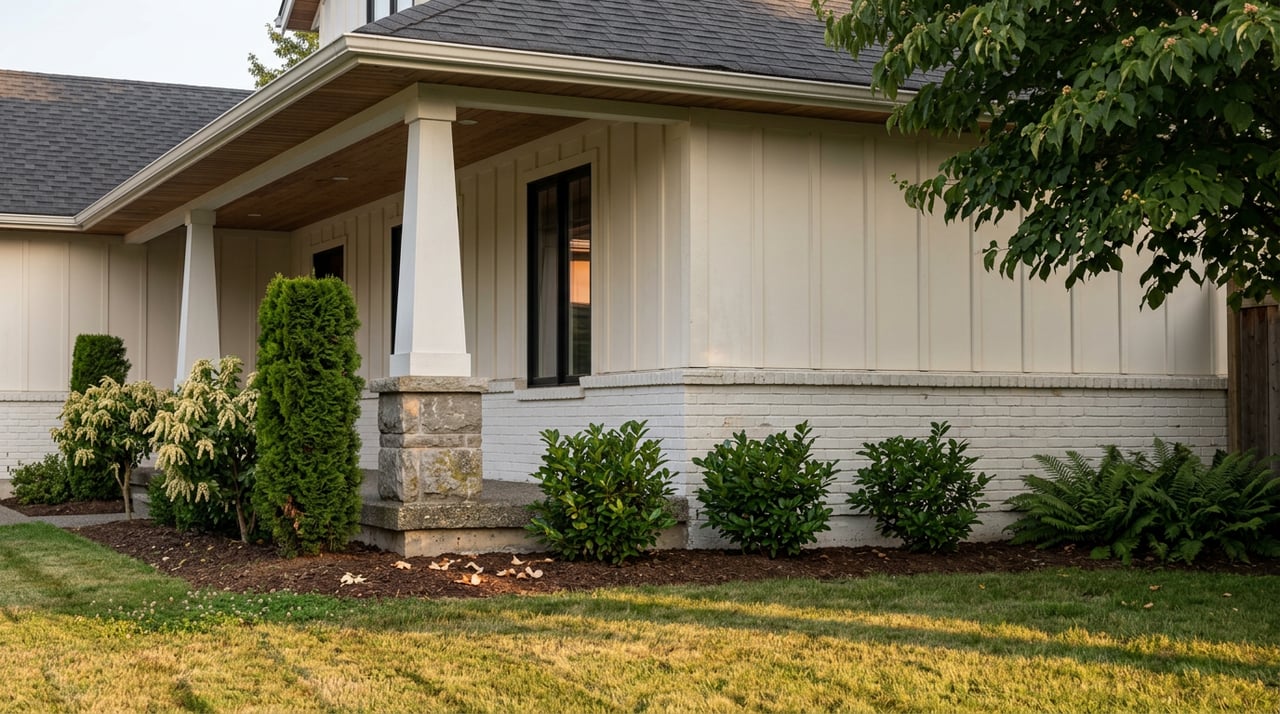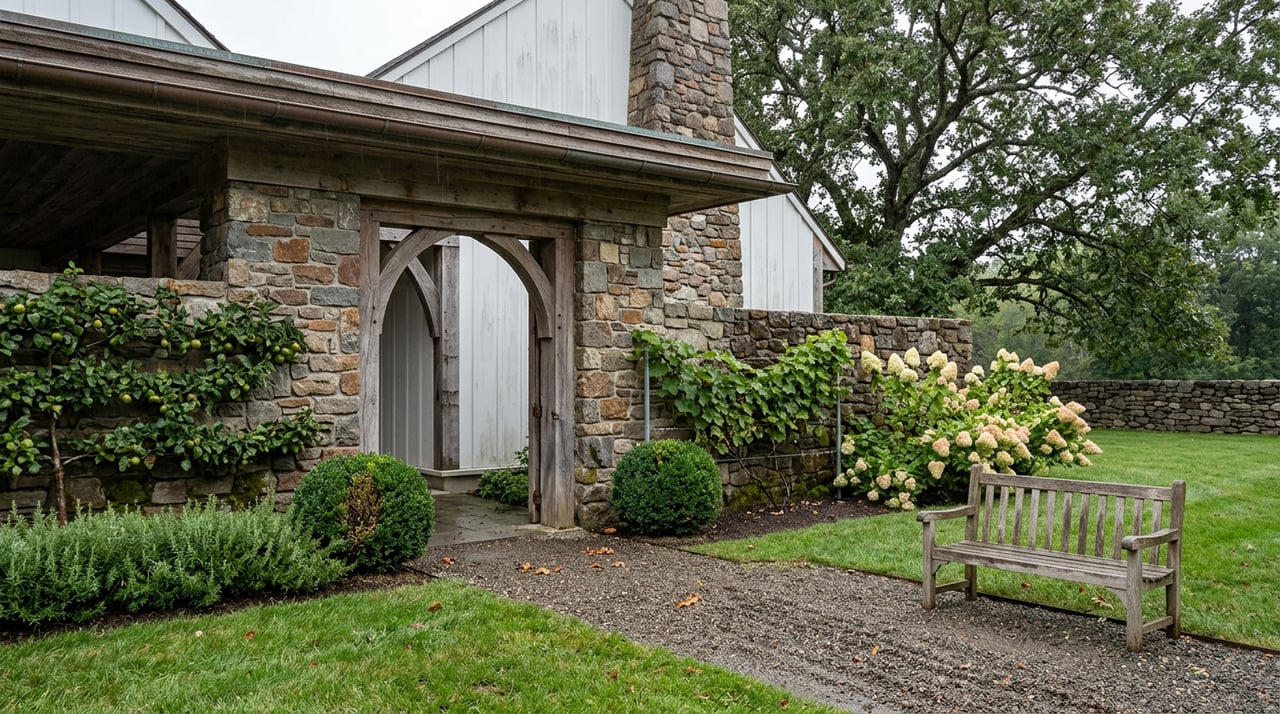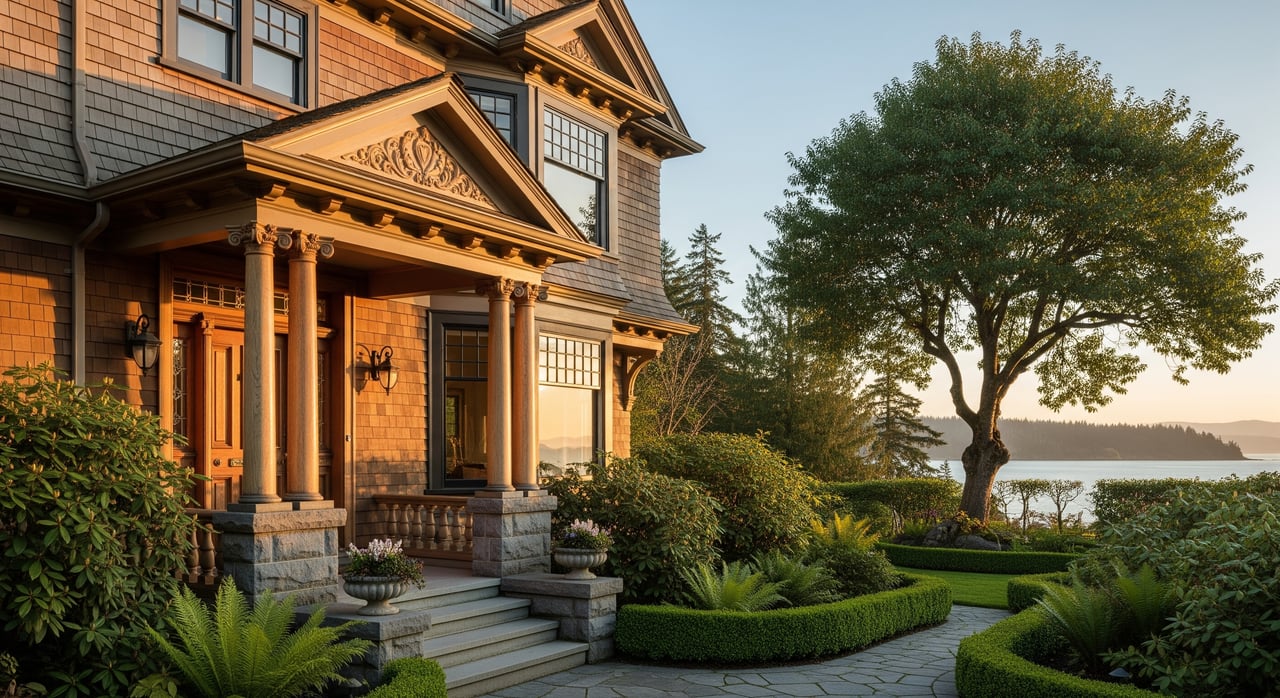
Do you light up when you see a shingled gable, original sash windows, and a wraparound porch on a leafy Oak Bay street? You are not alone. Buying a heritage or character home can be deeply rewarding, but it also comes with rules, maintenance needs, and planning you should understand before you write an offer. In this guide, you will learn what “heritage” means in Oak Bay, what to inspect, how insurance and financing can differ, and the step‑by‑step due diligence that helps you buy with confidence. Let’s dive in.
What “heritage” means in Oak Bay
Heritage protection in British Columbia works at the municipal level with provincial guidance. In Oak Bay, properties can be listed on a heritage register, designated by bylaw, or subject to a covenant or Heritage Revitalization Agreement. Each status carries different expectations for owners and future renovations.
Register vs. designation vs. agreements
Being on a municipal heritage register signals the home’s heritage value and may prompt extra review, but it usually brings fewer legal limits. A formal heritage designation by bylaw, or a covenant or Heritage Revitalization Agreement, is legally binding. These tools can require you to preserve specific character‑defining elements, such as the façade, windows, verandahs, roof form, or exterior materials.
In many cases, additions, alterations, or demolition require a heritage permit or council approval. Regular building permits still apply, and the municipality may ask for review by a Heritage Advisory Committee. If an agreement or covenant exists, it typically stays in place for future owners unless changed through proper processes.
How rules affect renovations
If you are planning changes, expect to follow defined conservation goals. Some designations focus on the exterior; others can be more detailed. You may be required to repair rather than replace historic fabric, and use compatible materials and profiles when replacement is necessary. Always confirm what is protected on the property you are considering.
Potential benefits for owners
There can be clear upsides. Owners may gain access to grants, tax incentives, or relaxed zoning allowances, depending on current programs. Heritage stewardship can also help protect streetscape character, which many buyers value. Local heritage organizations sometimes offer recognition or practical guidance for conservation work.
What to verify before you buy
- Confirm the exact status with the District of Oak Bay. Ask if the property is listed, designated, or under a covenant or Heritage Revitalization Agreement.
- Obtain copies of bylaws, covenants, and the statements that define protected features.
- Request records of past heritage permits or approvals, and check for any outstanding orders.
Maintenance realities in Oak Bay
Oak Bay’s coastal climate brings wet winters, salt air, and higher humidity. Older houses here often feature wood framing, wood cladding, original wood windows, plaster walls, and masonry fireplaces. This mix is beautiful and durable when cared for, but it demands consistent maintenance.
Common issues to inspect
- Roofs. Older wood shingles or early asphalt products may be near end of life. Pay close attention to flashing around chimneys, valleys, and eaves.
- Exterior cladding and trim. Wood siding and verandahs often need regular painting, caulking, and localized rot repair to prevent moisture intrusion.
- Windows and doors. Original wood windows are character‑defining but can be drafty. Many can be restored with sash repairs, re‑puttying, and weatherstripping. Full replacement that matches historic profiles can be costly.
- Foundations and drainage. Older homes may have shallow or uninsulated foundations and limited site drainage. Sump pumps, improved grading, and waterproofing are common retrofits in damp climates.
- Wiring and electrical. Knob‑and‑tube or early cloth‑insulated wiring is a common issue in vintage homes and can be a concern for insurers and safety. Plan for partial or full replacement if present.
- Plumbing and heating. Galvanized supply lines, cast‑iron drains, and older boilers or furnaces often require upgrades. Gas conversions and modern systems are common improvements.
- Chimneys and fireplaces. Masonry chimneys may need repointing, relining, or seismic stabilization after decades of weather exposure.
- Insulation and energy performance. Many character homes lack insulation in walls, attics, or floors. Upgrades improve comfort and costs but should be balanced with conserving interior finishes.
- Hazardous materials. Lead‑based paint and asbestos in some older materials are possible. Budget for proper testing and abatement when renovating.
Conservation approach that works
Follow a “repair rather than replace” mindset to preserve historic fabric whenever practical. When replacement is necessary, choose materials and profiles that fit the home’s era and protected features. Plan projects in phases. First address moisture control, structure, roof, and mechanical systems, then move to finishes and details.
Budgeting and timeframes
As a planning guideline, many owners budget 1 to 3 percent of the purchase price annually for maintenance. Heritage houses often sit at the higher end, especially if there is deferred work. Major projects like roofing, electrical, plumbing, foundation improvements, and window restoration vary widely in cost. Obtain multiple quotes from trades with old‑house experience and include a contingency.
Insurance and financing essentials
Older and heritage homes can have different insurance requirements. Understanding your options early will help you avoid surprises and keep your financing on track.
How insurance may differ
Lenders typically require replacement‑cost coverage. For heritage properties, replacement costs can be higher if you must use specialty materials and workmanship that meet a designation or agreement. Insurers may set conditions related to older wiring, ungrounded circuits, aging roofs, or outdated heating systems. You may be asked to complete specific upgrades as a condition of coverage.
Some insurers offer endorsements tailored to heritage features that cover the extra costs of like‑for‑like materials. Availability varies by company and market. If you plan a major restoration, expect to discuss builder’s risk coverage and any limits during vacancy or renovation.
Smart steps before you remove conditions
- Speak with an insurer early. Provide details on construction, current systems, and any heritage status that could affect rebuild obligations.
- Ask whether your policy covers matching historic materials or only modern equivalents. Clarify endorsements and limits in writing.
- Request a list of required upgrades to secure standard coverage.
- If needed, work with a specialty insurer or a broker familiar with heritage properties on Vancouver Island.
Financing considerations
Lenders evaluate insurability and replacement‑cost requirements during underwriting. If you plan to upgrade mechanicals or complete restoration work, look into renovation‑friendly loan products. Also investigate whether municipal or heritage organizations currently offer grants or incentives that could support conservation work.
Your due diligence checklist
Use this sequence to reduce risk and align expectations with the home’s realities.
- Confirm heritage status and documents
- Ask Oak Bay staff to confirm the property’s designation status. Request the designation bylaw, covenants or HRA, and any register listing or statement of significance.
- Check for outstanding heritage orders and any approved but incomplete work.
- Get a full inspection and targeted reports
- Book a certified home inspection covering structure, roof, mechanicals, and electrical.
- Add specialists as needed. Consider an electrician for knob‑and‑tube, a structural engineer for foundation movement, a moisture or roof specialist, and a chimney inspection.
- Pull municipal records
- Request the building permit history, heritage permits, and any compliance letters.
- Pre‑qualify insurance
- Share inspection findings with insurers, confirm likely premiums, and identify required upgrades for standard coverage.
- Gather contractor quotes
- Price near‑term and medium‑term projects such as roofing, wiring, windows, moisture management, and exterior restoration. Choose trades with heritage experience.
- Review zoning and development rules
- Confirm what is allowed on the lot, including additions or suites, and review any Development Permit Area requirements and tree protection bylaws that could affect site work.
- Investigate incentives and grants
- Ask Oak Bay heritage staff and local organizations about current grant or tax relief programs and application timelines.
- Build a phased work plan
- Prioritize moisture control, structure, and systems, then plan conservation of finishes. Set timelines, budgets, and a contingency reserve.
Lifestyle fit questions
Buying a heritage home is as much a lifestyle choice as it is a property decision. Consider how maintenance rhythms will fit into your week and your budget. Some homes may be drafty or noisy until you complete upgrades to windows or insulation. Layouts can be more compartmentalized than modern plans, and interior changes can be limited by your designation or agreement, so confirm what is possible.
Think about your long‑term plans. Heritage designation can attract a devoted buyer pool at resale, yet it can also narrow options. Many people choose Oak Bay for its character streetscapes, mature trees, and proximity to the water and village amenities. Heritage protections help preserve these qualities, which is part of the appeal for many buyers.
Working with local experts
The right team makes a big difference. Engage inspectors, engineers, electricians, and builders who regularly work on older houses. Look for window restorers, joiners, and plasterers with heritage experience. Ask for examples of similar projects and request clear, written scopes and timelines.
If you are comparing multiple homes, a consistent approach helps. Keep a running list of must‑do repairs versus wish‑list improvements and track quotes side by side. When you are ready to negotiate, having solid information on condition, expected costs, and timeline strengthens your position.
At every step, you benefit from local guidance and a coordinated plan. If you want help assembling the right team and navigating the process, reach out to our Oak Bay‑based advisors at the Coastal Living Collective, Victoria BC. We can connect you with trusted Community Partners for inspection, legal, and mortgage advice, and help you buy with confidence.
FAQs
What is the difference between “heritage register” and “designated” in Oak Bay?
- A heritage register listing signals heritage value with fewer legal limits, while a formal designation by bylaw or a covenant/HRA is legally binding and can control alterations, demolition, and restoration of character‑defining elements.
If a home is designated, can I update the kitchen or bathrooms?
- It depends on what the designation protects; many focus on exterior features, but you should review the bylaw or agreement and consult the municipality to confirm what is allowed.
Can I add a secondary suite to a heritage home?
- You need to confirm zoning, allowable uses, and any development or heritage permit requirements for your specific property before planning a suite.
How much should I budget for ongoing maintenance?
- A common planning guideline is 1 to 3 percent of the purchase price per year for maintenance, with heritage homes often at the higher end, especially with deferred work.
Will my insurance cover matching historic materials after a loss?
- Some insurers offer endorsements for like‑for‑like materials, but coverage varies; ask about heritage endorsements and confirm limits and conditions in writing.
Are there grants or incentives for heritage conservation in Oak Bay?
- Programs can change over time; check with Oak Bay’s heritage staff and local heritage organizations for current grants, tax relief, and eligibility.
How do I find contractors with heritage experience on Vancouver Island?
- Seek referrals, review similar past projects, and request detailed quotes; working with trades experienced in older houses helps preserve character and manage costs.