If you are thinking about buying a condo in downtown Victoria, square footage is only part of the story. The real question is how you want to live day to day, from your commute and parking needs to your work-from-home setup and the kind of privacy you want at home. This guide will help you compare common downtown condo layouts, understand the lifestyle trade-offs, and spot the strata details that matter before you buy. Let’s dive in.
Why downtown Victoria stands out
Downtown Victoria is more than a cluster of condo buildings. The City’s Downtown Core Area planning treats it as a dense, mixed-use centre that includes not only downtown but also nearby areas like Harris Green and parts of James Bay, North Park, Fairfield, and Rock Bay. In practical terms, that means you are buying into a place shaped by housing, employment, culture, public amenities, and a pedestrian-oriented public realm.
That setting is a big part of the appeal. City planning highlights features like urban plazas, park spaces, the Harbour Pathway, and the Government Street Mall extension, all of which support an active, walkable lifestyle. If you want a home that places daily errands, dining, events, and the waterfront closer to your front door, downtown offers a strong lifestyle case.
The downtown market also remains an important part of the broader Victoria condo picture. In May 2026, the Victoria Real Estate Board reported a Victoria Core condo benchmark price of $551,400, with 188 condo sales that month and 4,029 active listings across the region. For you as a buyer, that suggests more choice than in tighter markets, while prices in the core still reflect the value many buyers place on location.
Why layout matters so much
When you buy downtown, layout often matters just as much as size. Two condos with similar square footage can live very differently depending on bedroom separation, window placement, storage, and whether there is room for a desk, guests, or a dining table.
That is especially true in an urban setting where you may be trading some private space for location and convenience. A smart layout can make a compact condo feel easy and functional, while a poor layout can make a larger unit feel cramped or awkward. Looking beyond the bedroom count helps you choose a home that fits your real routine.
Common condo layouts in downtown Victoria
Studio and alcove studio
A studio combines your living, sleeping, and eating space into one main room, plus a separate bathroom. An alcove studio adds a partial nook or sleeping area that gives you a little more separation without creating a true bedroom. These layouts tend to appeal to buyers who want low maintenance and a simpler footprint.
If you spend a lot of time out enjoying downtown, a studio may feel like enough. It can also be a practical option if you want a more accessible entry point into ownership. The trade-off is privacy, storage, and flexibility, especially if you work from home or host overnight guests.
One-bedroom and one-bedroom-plus-den
A one-bedroom gives you clear separation between your sleeping area and your living space. That one change can make daily life feel much more organized, especially if you keep different schedules, take video calls at home, or simply want your bedroom tucked away from the main living area.
A den adds useful flexibility. Depending on the layout, it can serve as a home office, reading room, storage zone, or occasional guest nook. For many downtown buyers, a one-bedroom-plus-den is the sweet spot between efficiency and function.
Two-bedroom condos
Two-bedroom condos are often the most flexible choice. They can work well for couples who want a dedicated office, buyers who expect regular guests, roommates sharing costs, or households that simply need more separation between work and home life.
Still, not all two-bedroom layouts perform the same way. Some place both bedrooms side by side with limited privacy, while others separate them across the suite. You will want to look carefully at how the main living area flows and whether the second bedroom truly works for your needs.
Loft and penthouse options
Lofts and penthouses are less common than standard one- and two-bedroom units, but they help define the upper end of downtown inventory. Lofts often feature open plans, higher ceilings, large windows, and in some cases details tied to converted commercial or industrial buildings.
Penthouses are typically top-floor homes with larger footprints, stronger views, and premium pricing. If lifestyle and design are high on your list, these layouts can be compelling. You should also expect that uniqueness and outlook often come with a higher purchase price and sometimes higher monthly carrying costs.
Matching the layout to your lifestyle
If you want a car-light routine
Downtown Victoria is one of the easier places in the region to live with less reliance on a car. BC Transit shows numerous routes serving downtown, with Douglas Street as the main transit corridor, and the City highlights an expanding cycling network that supports commuting and errands.
If this is your goal, focus on layouts that maximize indoor function rather than parking-heavy features. You may care more about bike storage, in-suite storage, and a comfortable work area than about a second parking stall. That said, if you do own a car, confirm exactly what parking comes with the unit.
If you work from home
Remote and hybrid work can change what makes a condo feel livable. A one-bedroom-plus-den or a well-designed two-bedroom may support your routine much better than a studio, even if the square footage difference looks modest on paper.
Pay attention to where a desk could actually go, how much natural light reaches that area, and whether the layout gives you some separation between work and rest. Open-plan living can feel bright and modern, but it may be less comfortable if your workday takes place in the middle of the main room.
If you like to host
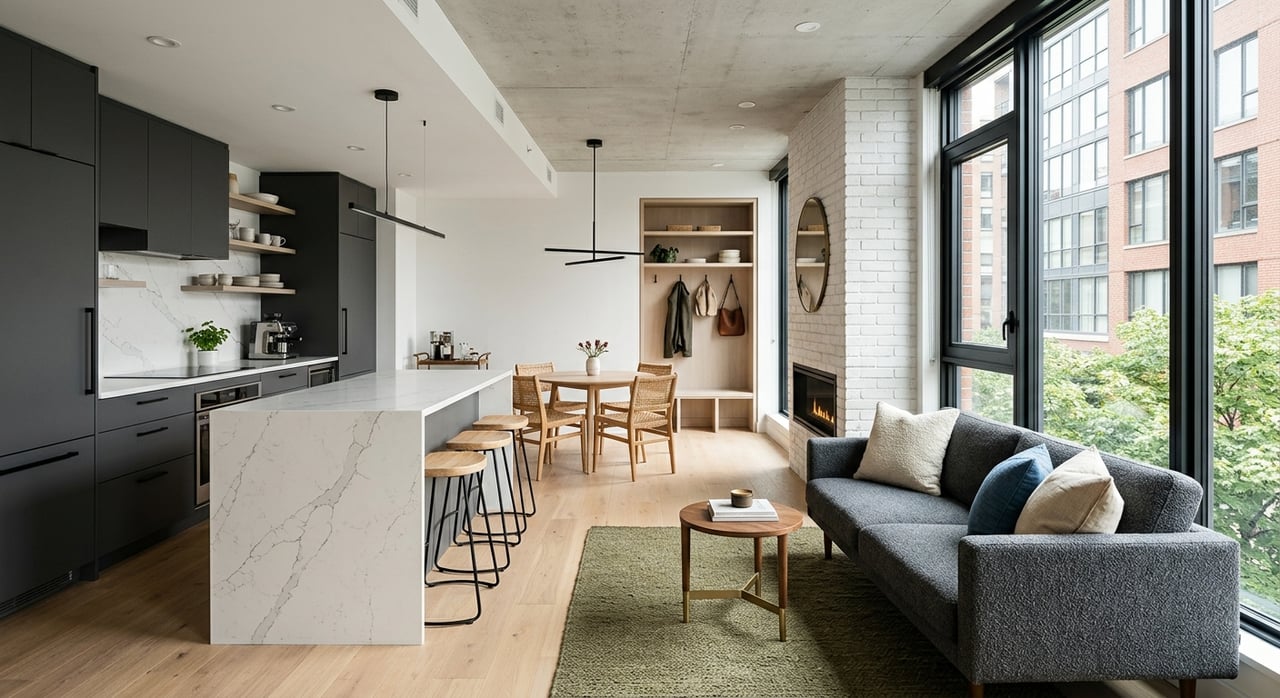
If you enjoy having friends or family over, the living area matters as much as the bedroom count. Some smaller condos have open kitchens and living rooms that make entertaining easy, while others devote more space to hallways or oversized entry areas.
You should also think about guest parking, elevator access, and building rules that might affect your plans. A condo can look great in photos, but if the flow feels tight or the building has strict limits that do not suit your habits, it may not be the right fit.
If you want lock-and-leave simplicity
For many downsizers and busy professionals, downtown condo living is attractive because it can feel simpler. A smaller footprint, central location, and strata-managed building can support a lower-maintenance lifestyle, especially if you travel often or prefer convenience over yard work.
In that case, focus on ease. Look at secure entry, elevator access, storage, and whether the layout supports comfortable everyday living without excess space to maintain. A practical one-bedroom or two-bedroom can often deliver that balance well.
The parking and outdoor space question
Parking deserves close attention in downtown Victoria. The City operates five parkades, three surface lots, and nearly 2,000 on-street spaces downtown, but that does not mean your building includes owner parking or easy guest parking. You should confirm whether a stall is included, whether it is titled or assigned, and what options exist for visitors.
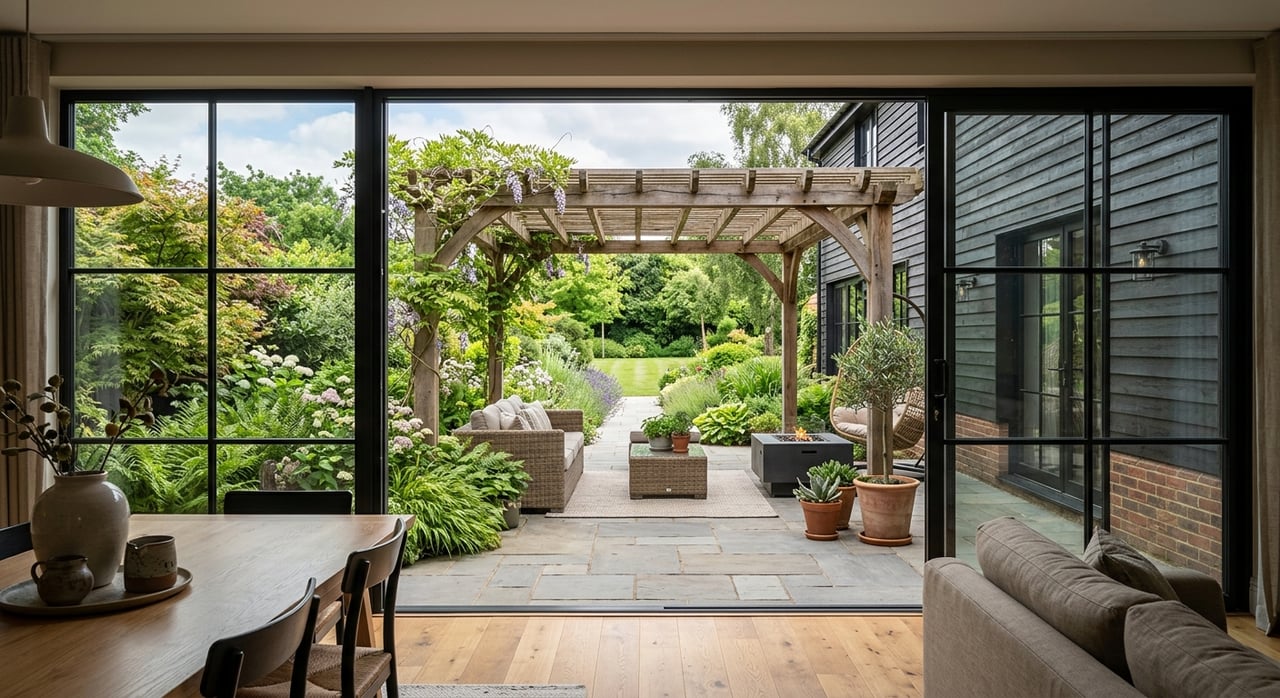
Outdoor space matters too, especially in a compact home. City design guidance emphasizes private, shared, and public outdoor space as part of downtown livability. In real terms, a good balcony, rooftop terrace, or inviting common area can make a meaningful difference in how spacious your home feels.
What to review before removing subjects
In British Columbia, condo due diligence goes well beyond the unit itself. Before removing subjects, one of the key documents to request is the Form B Information Certificate. The province says Form B can disclose the monthly strata fee, approved special levies, contingency reserve fund balance, parking and storage details, insurance summary, rules, current budget, and the most recent depreciation report if one exists.
This is where a condo’s true monthly cost and building health start to come into focus. A lower list price can lose its appeal if fees are high, a special levy is pending, or important information about the building raises concerns. Reviewing these details early helps you avoid surprises.
Check the building’s financial health
Financial review is a major part of buying in a strata. In B.C., strata corporations with five or more strata lots must obtain depreciation reports on a five-year cycle. These reports estimate repair and replacement costs over a 30-year period for common property and assets.
You should also look at the contingency reserve fund, which is the pool of money used for future major expenses. If the reserve fund is not enough, owners may face special levies or other funding measures for larger repairs. A beautiful suite in a poorly prepared building can become an expensive purchase later.
Read the bylaws carefully
Bylaws can shape your day-to-day life more than new countertops ever will. In B.C., stratas can set rules around pets, quiet hours, smoking, age-restricted living, and short-term rentals. The province notes that age restrictions are limited to 55+ only, while pet bylaws may restrict or prohibit animals, and short-term rental limits have been strengthened in recent years.
This is where lifestyle fit becomes very real. If you have a pet, expect frequent guests, value quiet, or want future rental flexibility, those details need to be confirmed before you commit. The right condo is not just one you can afford, but one that works with how you actually live.
A quick downtown condo checklist
Before you move forward on a downtown Victoria condo, make sure you can clearly answer these questions:
- Does the layout support your daily routine?
- Is there enough separation for sleep, work, or guests?
- What parking and storage are included?
- How usable is the balcony, terrace, or common outdoor space?
- What are the monthly strata fees?
- Is there a healthy contingency reserve fund?
- Does the building have a current depreciation report?
- Are there approved or possible special levies?
- Do the bylaws fit your needs for pets, quiet, smoking, and rentals?
The bottom line on buying downtown
Buying a downtown Victoria condo is not just about finding the right price point. It is about choosing the layout, building, and block that fit the life you want to build, whether that means a streamlined studio, a flexible den setup, or a two-bedroom with room to grow.
Downtown offers a distinctive mix of walkability, public amenities, transit access, and urban energy that many buyers find hard to replicate elsewhere. The key is pairing that lifestyle appeal with careful review of strata documents, parking, outdoor space, and the practical details that shape daily comfort.
If you want thoughtful guidance as you compare downtown Victoria condos, Coastal Living Collective, Victoria BC can help you weigh layout, lifestyle, and strata details so you can buy with confidence.
FAQs
What condo layout works best for downtown Victoria living?
- The best layout depends on how you live. Studios and alcove studios suit lower-maintenance buyers, one-bedroom-plus-den layouts add flexibility for work or guests, and two-bedroom condos often offer the most versatility.
What should you check before buying a Victoria strata condo?
- You should review the Form B Information Certificate, strata fees, reserve fund, depreciation report, approved special levies, parking and storage details, insurance summary, rules, and bylaws.
Is parking included with every downtown Victoria condo?
- No. Downtown parking varies by building and unit, so you should confirm whether a stall is included, whether it is titled or assigned, and what guest parking options are available.
Are downtown Victoria condos good for a car-light lifestyle?
- They can be. Downtown is well served by BC Transit routes, with Douglas Street as the main transit corridor, and the City also highlights cycling infrastructure that supports daily errands and commuting.
Can strata bylaws affect pets and rentals in Victoria condos?
- Yes. In B.C., strata bylaws can limit or prohibit pets, set quiet-hour and smoking rules, restrict short-term rentals, and apply 55+ age-restricted living rules where permitted.
How important is the reserve fund when buying a downtown Victoria condo?
- It is very important because the contingency reserve fund helps pay for future major building expenses. If the fund is weak, owners may face special levies or other costs for larger repairs.