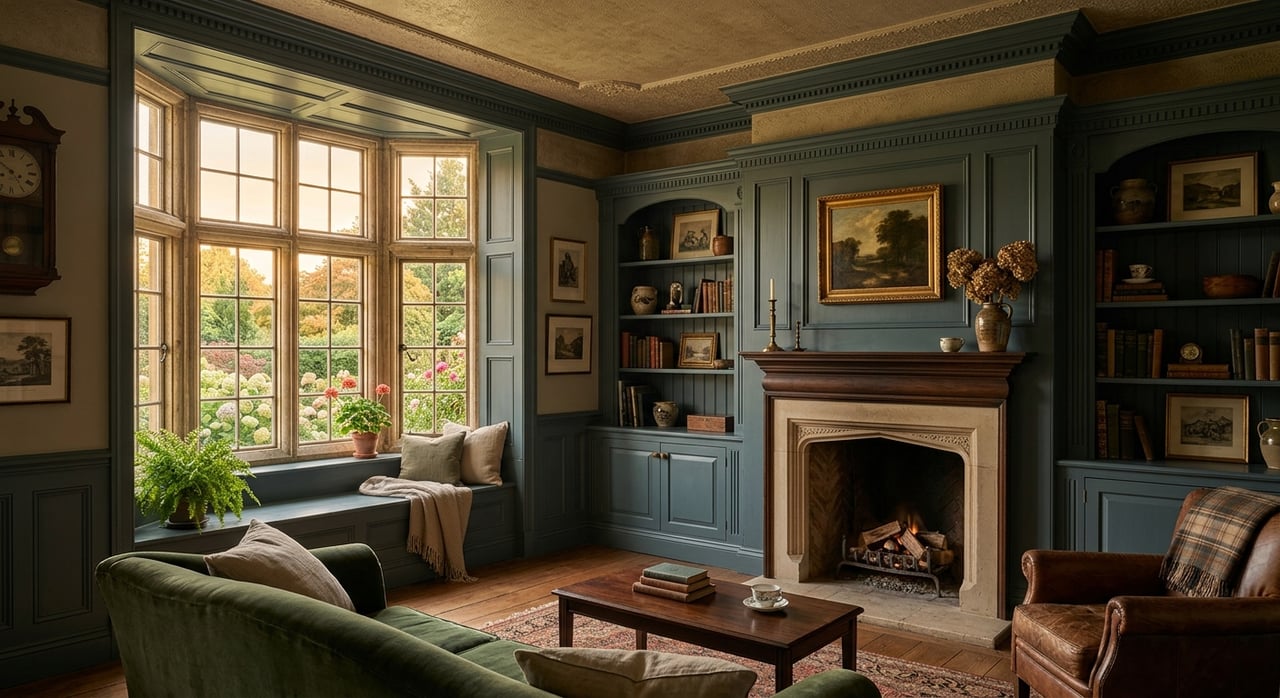
Ever wonder whether living in one of Victoria’s heritage homes feels romantic, practical, or a little bit of both? If you are drawn to tree-lined streets, front porches, and homes with real architectural personality, Victoria can feel hard to resist. The key is knowing that heritage living offers both charm and responsibility, and this guide will help you understand the balance. Let’s dive in.
Why Victoria heritage homes stand out
In Victoria, heritage is woven into the city’s identity. It is not just about preserving old buildings for appearance alone. The City of Victoria recognizes different levels of heritage protection, including heritage designation, Heritage Register listing, and Heritage Conservation Areas, which each affect what ownership looks like.
That matters because two homes that look similar from the street can come with very different rules. A designated home has the strongest protection, while a home on the Heritage Register alone does not face the same restrictions unless it is also designated or located within a Heritage Conservation Area. If you are considering a heritage property, that distinction is one of the first things to confirm.
Victoria’s Official Community Plan identifies two Heritage Conservation Areas with 12 districts. Old Town is the largest district and includes 195 individually significant heritage properties. For buyers who love a strong sense of place, that kind of concentration helps explain why certain parts of Victoria feel so memorable.
What daily life feels like
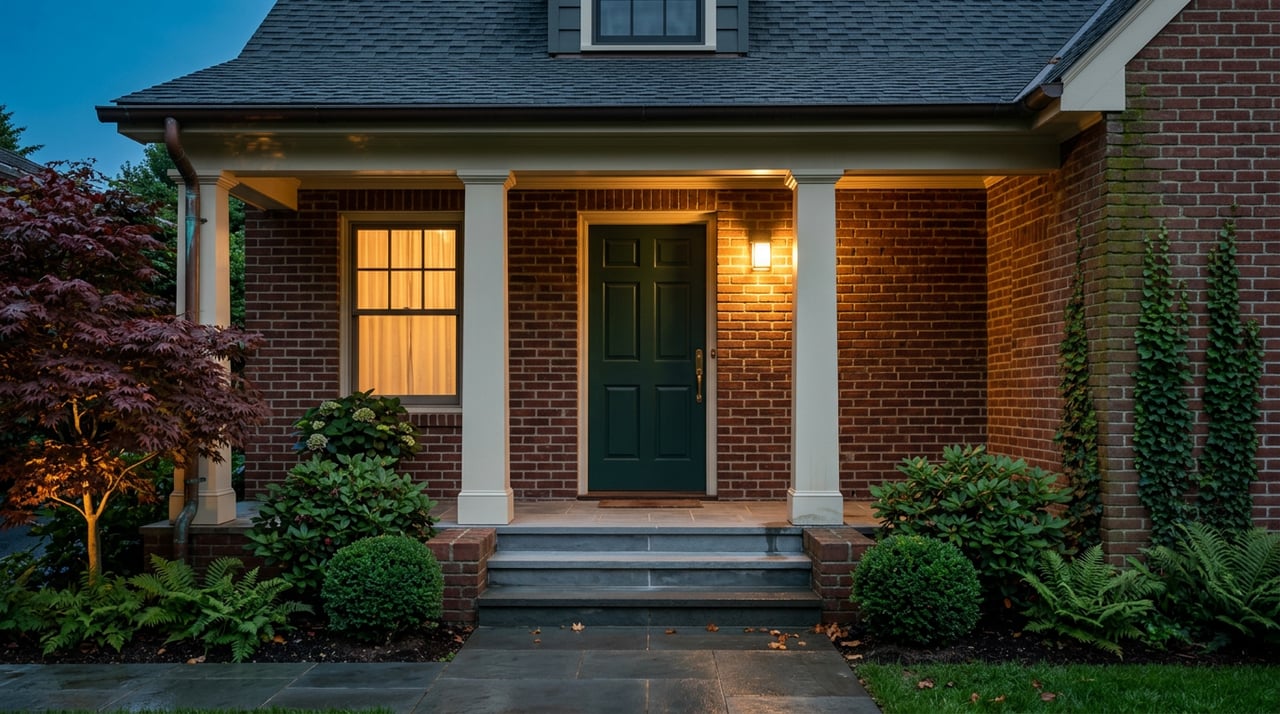
Living in a heritage home in Victoria is often as much about the street and neighbourhood as it is about the house itself. Mature landscaping, walkable blocks, and a more human-scale feel create an everyday rhythm that many buyers are looking for. These are places where front porches, gardens, and short strolls to parks or village hubs shape how life feels.
In James Bay, Victoria’s oldest neighbourhood, heritage walking routes connect Government Street, the Inner Harbour, James Bay Village, and Beacon Hill Park. That gives the area a lived-in, connected feel, where errands or a coffee stop can be part of the experience of the neighbourhood.
Fairfield offers a different version of that appeal. Its southwest corner is described as pedestrian-friendly and tree-lined, with routes that pass Beacon Hill Park and Cook Street Village before ending near the waterfront at Dallas Road and Cook Street. If your ideal day includes a walk through established residential streets and time by the water, that setting is easy to picture.
Fernwood brings a more eclectic village feel. It is known for old houses, a revitalized village centre, and easy access to local cafés, restaurants, and nearby Stadacona Park. Vic West adds a historic, waterfront-oriented setting with access to the Inner Harbour and Gorge Waterway, while Oaklands stands out for tree-lined streets and a shared-space feel that many people describe as calm and almost rural.
Architectural details you notice first
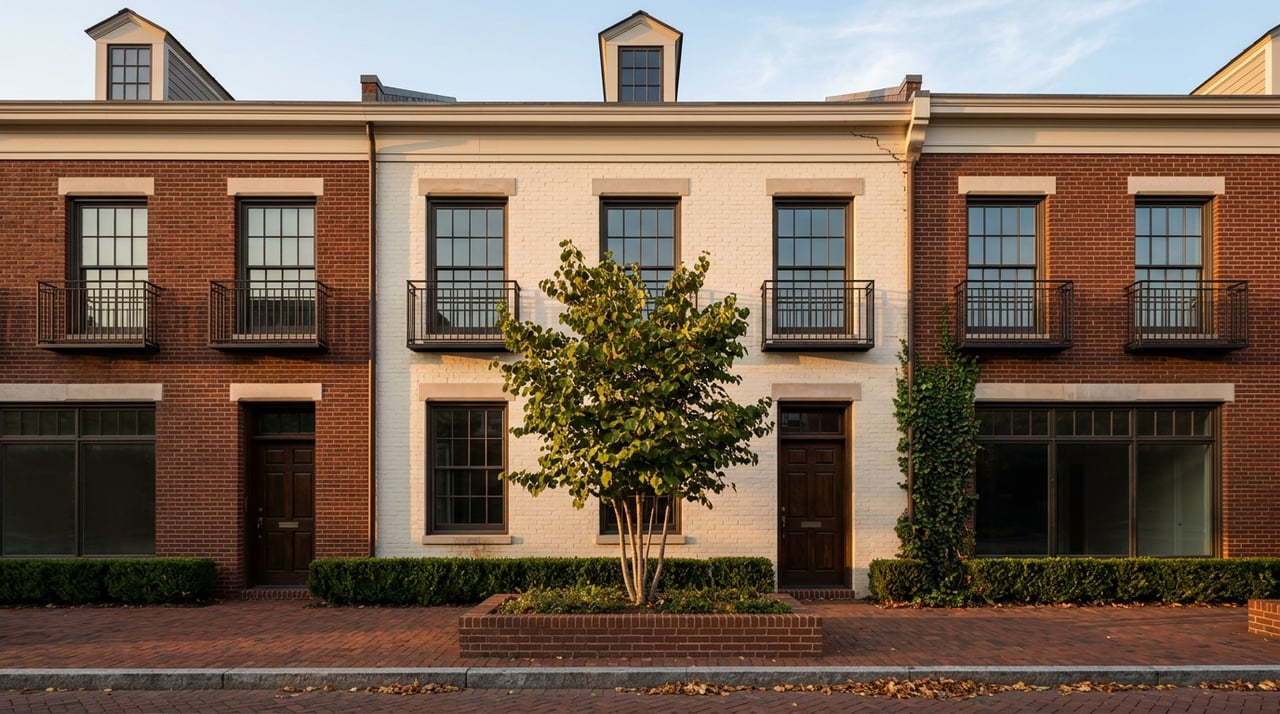
One reason Victoria’s heritage homes leave such a strong impression is their architectural variety. Common styles include Italianate, Queen Anne, Edwardian Foursquare, Edwardian Vernacular Arts & Crafts, British Arts & Crafts, Tudor Revival, Georgian Revival, and Craftsman. Even if you do not know the style names, you will likely notice the details right away.
Buyers are often drawn to steep hipped roofs, gables, turrets, bay windows, and welcoming front porches. Spindlework, decorated cornices, bargeboards, cutaway bays, and Tudor-style half-timbering can give one home a very different personality from the next. These details add visual interest that newer housing often approaches in a very different way.
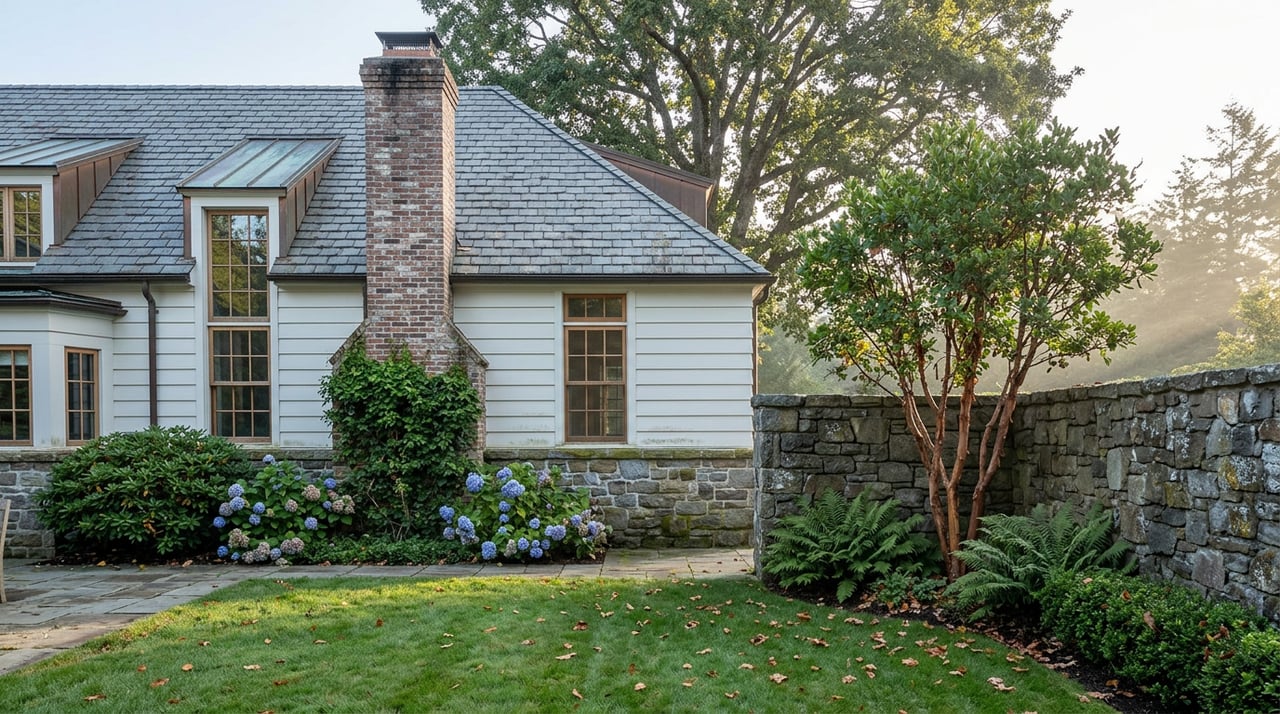
In parts of Fairfield, heritage materials describe a cohesive neighbourhood of mostly single-family homes with small private gardens. That helps explain the intimate scale many buyers respond to. It is not only the architecture of one home, but the way homes relate to each other and to the street.
The charm comes with stewardship
The most accurate way to think about heritage ownership in Victoria is this: you are not just buying character, you are taking on stewardship. For many buyers, that feels meaningful and rewarding. Still, it is important to understand what that means before you fall in love with a porch, a bay window, or a beautifully aged facade.
If a property is heritage-designated, normal maintenance and repairs can usually be done at the owner’s discretion as long as there are no visual changes. If you want to alter or add to protected portions of the home, Council consent is required. A designated building also cannot be demolished without consent.
Not every heritage property is protected in the same way. Some designations cover only the exterior, while others may also include interior elements or landscape features. That is why buyers should review the specific bylaw and scope of protection for the property they are considering.
What to check before you buy
If you are serious about buying one of Victoria’s heritage homes, a little extra due diligence can go a long way. The goal is not to scare you away. It is to help you understand the home clearly so you can move forward with confidence.
Start with these questions:
- Is the home heritage-designated, listed on the Heritage Register, or located in a Heritage Conservation Area?
- Which features are actually protected?
- Can routine maintenance be done without changing appearance or materials?
- How much renovation flexibility do you want in the years ahead?
- Are there grant or rebate opportunities that may support future work?
These questions matter because the answers can affect budget, timelines, and renovation plans. A buyer who wants to preserve original character may feel very differently than a buyer hoping for major design changes after possession.
Maintenance expectations in an older home
Owning an older home usually means being proactive. Heritage homes can be deeply rewarding to live in, but they often ask for more attention than a newer property. That does not always mean major work right away, but it does mean you should plan for regular upkeep as a normal part of ownership.
For older homes, practical areas to review include the electrical system, heating, insulation, plumbing, decks or porches, and chimney or brickwork. Those are the kinds of components that can shape both comfort and future costs. A beautiful exterior does not replace the need for a thorough understanding of the home’s systems.
If you are planning larger improvements, budgeting early is wise. CMHC notes that maintenance and renovation are normal parts of homeownership, and if major renovations are planned as part of a purchase, those costs can sometimes be added to the mortgage. For buyers considering a heritage property, that can be an important part of the financial conversation.
Renovation and upgrade opportunities
Heritage ownership does not mean your home has to stay frozen in time. It means upgrades should be approached thoughtfully, with a clear understanding of what is protected and what approval may be needed. In many cases, buyers successfully improve comfort and efficiency while respecting the home’s character.
Victoria offers grant programs for heritage-designated buildings. That can be a meaningful benefit for owners planning eligible conservation work. BC Hydro also offers home renovation rebates for certain energy-efficiency upgrades, including eligible windows and doors, heat pumps, insulation, and heat pump water heaters, subject to program rules.
For many buyers, this is where the lifestyle and practical sides of the decision meet. You may love original details and still want better insulation or a more efficient heating system. The key is understanding what is possible before creating a renovation plan.
Why the right advice matters
With heritage homes, the right team matters. A home inspector is essential, but for major projects, inspection alone may not answer every question. Heritage work can involve both building-code issues and heritage-review considerations.
The City recommends confirming heritage status, reviewing conservation policies, and scheduling a pre-application meeting for complex proposals. In some cases involving a designated or registered building, a conservation plan by a qualified heritage consultant may be required. That is one reason buyers benefit from working with professionals who understand both the charm and the complexity of older homes.
A local real estate team can also help you connect the dots. Beyond finding the right property, informed guidance can help you understand neighbourhood fit, likely upkeep, and which questions to ask before writing an offer. That kind of support is especially valuable when a home’s long-term livability matters as much as its first impression.
Is a Victoria heritage home right for you?
If you are looking for a perfectly low-maintenance property with maximum renovation freedom, a heritage home may not be your best fit. If you value architecture, walkability, mature streetscapes, and the feeling of living somewhere with real history, it may be exactly what you want. The right choice depends on your lifestyle, your budget, and how you feel about stewardship.
Many buyers are happy to make that trade because Victoria’s heritage neighbourhoods offer something hard to duplicate. From James Bay and Fairfield to Fernwood, Vic West, and Oaklands, these areas deliver a lived-in sense of place that goes beyond square footage. You are not just buying a house. You are choosing a way of living.
If you are exploring heritage homes in Victoria and want calm, neighbourhood-first guidance, Coastal Living Collective, Victoria BC can help you evaluate both the charm and the practical realities with confidence.
FAQs
What is the difference between a designated heritage home and a registered heritage home in Victoria?
- A heritage-designated home has the strongest protection, while a home listed on the Heritage Register alone does not restrict changes unless it is also designated or located within a Heritage Conservation Area.
What does living in a Victoria heritage neighbourhood feel like day to day?
- Many heritage areas in Victoria offer walkable streets, mature landscaping, front porches, and easy access to parks, village centres, waterfront routes, and local cafés.
What parts of a Victoria heritage home might be protected?
- Protection can vary by property and may apply to the exterior only, or also to interior features and landscape elements, so you should verify the exact bylaw for the home.
Can you renovate a heritage home in Victoria?
- Yes, but alterations or additions that affect protected portions of a heritage-designated property require Council consent, so renovation flexibility depends on the home’s status and scope of protection.
What maintenance should buyers check in an older Victoria home?
- Buyers should pay close attention to the electrical system, heating, insulation, plumbing, decks or porches, and chimney or brickwork.
Are there financial incentives for Victoria heritage home upgrades?
- Victoria offers grant programs for heritage-designated buildings, and BC Hydro has rebates for eligible energy-efficiency upgrades under its home renovation program.