Is your Langford family home ready for buyers who have more options and more time to compare? In today’s balanced Greater Victoria market, preparation matters more than ever, especially when your home is competing with other detached properties across the Westshore. The good news is that you do not need to guess where to spend your time or budget. With the right updates, documentation, and presentation, you can make your home feel move-in ready both online and in person. Let’s dive in.
Why preparation matters in Langford
Langford sits within the VREB Westshore region, alongside communities such as Colwood, Sooke, Metchosin, and Highlands. That means buyers are often comparing your home not only to other homes in Langford, but to listings across the broader Westshore area.
In June 2026, Greater Victoria had 4,054 active listings and 719 sales. VREB described conditions as active and balanced, with buyers having more choice and more time to make informed decisions. For you as a seller, that means strong preparation, smart pricing, and polished presentation can make a meaningful difference.
Langford’s detached benchmark price sat around the low $1 million range in early 2026, roughly between $1.03 million and $1.06 million. In that price band, buyers often expect a home to feel cared for, functional, and easy to understand from the first showing to the final paperwork.
Focus on freshening before renovating
One of the biggest questions sellers ask is whether they should renovate before listing. In many cases, the better move is to freshen, repair, clean, and stage rather than take on major projects.
That approach aligns with staging guidance that emphasizes decluttering, neutral finishes, and strong room presentation over costly remodels. Buyers want to picture themselves living in the home, and that is often easier when spaces feel open, clean, and calm.
If you are deciding where to spend first, start with improvements that make the home feel move-in ready. Small fixes and clean presentation often do more for buyer confidence than a rushed renovation.
High-impact prep steps
- Deep clean every room
- Declutter surfaces, shelves, and storage areas
- Pack away personal photos and highly specific decor
- Touch up scuffed walls and consider neutral paint where needed
- Remove bulky or excess furniture
- Fix small visible issues like loose handles, squeaky doors, or damaged trim
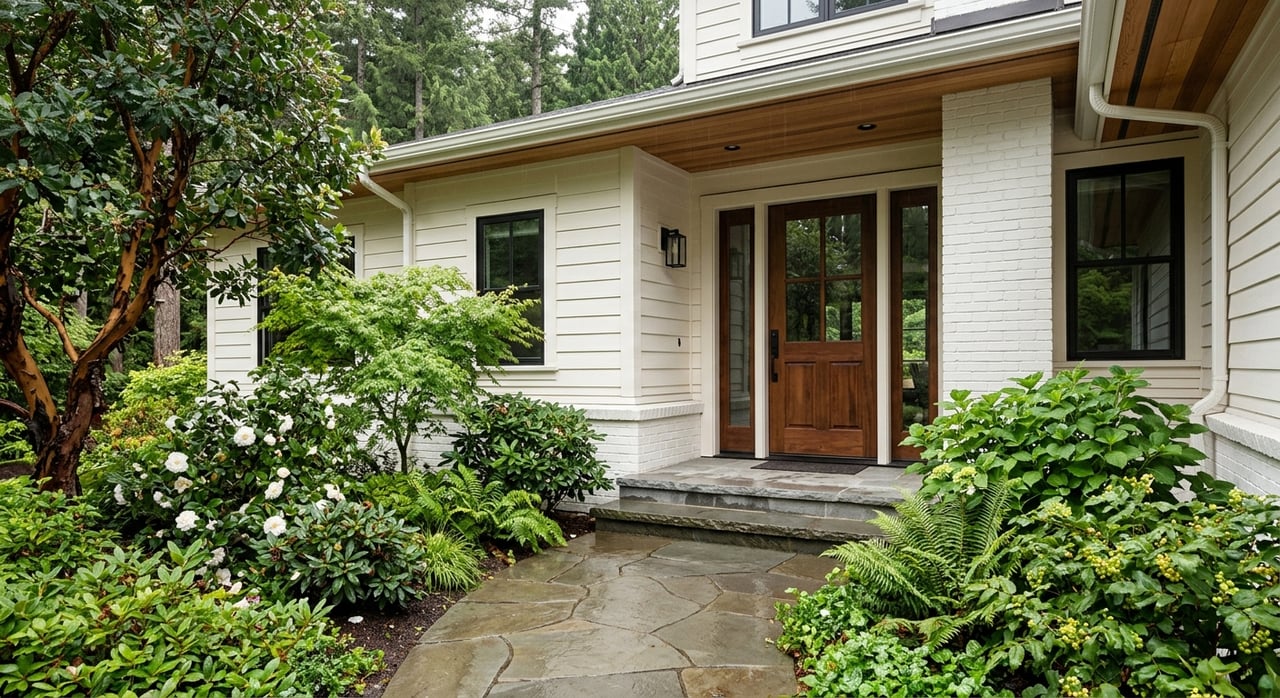
- Freshen the front entry and outdoor approach
Stage the rooms buyers notice first
Staging does not have to mean transforming every square foot. The most important rooms to prioritize are the living room, primary bedroom, dining room, and kitchen. Buyers’ agents identified the living room as the most important room to stage, followed by the primary bedroom and kitchen.
That gives you a practical roadmap. If your time or budget is limited, begin where buyers tend to form the strongest emotional impression.
Living room
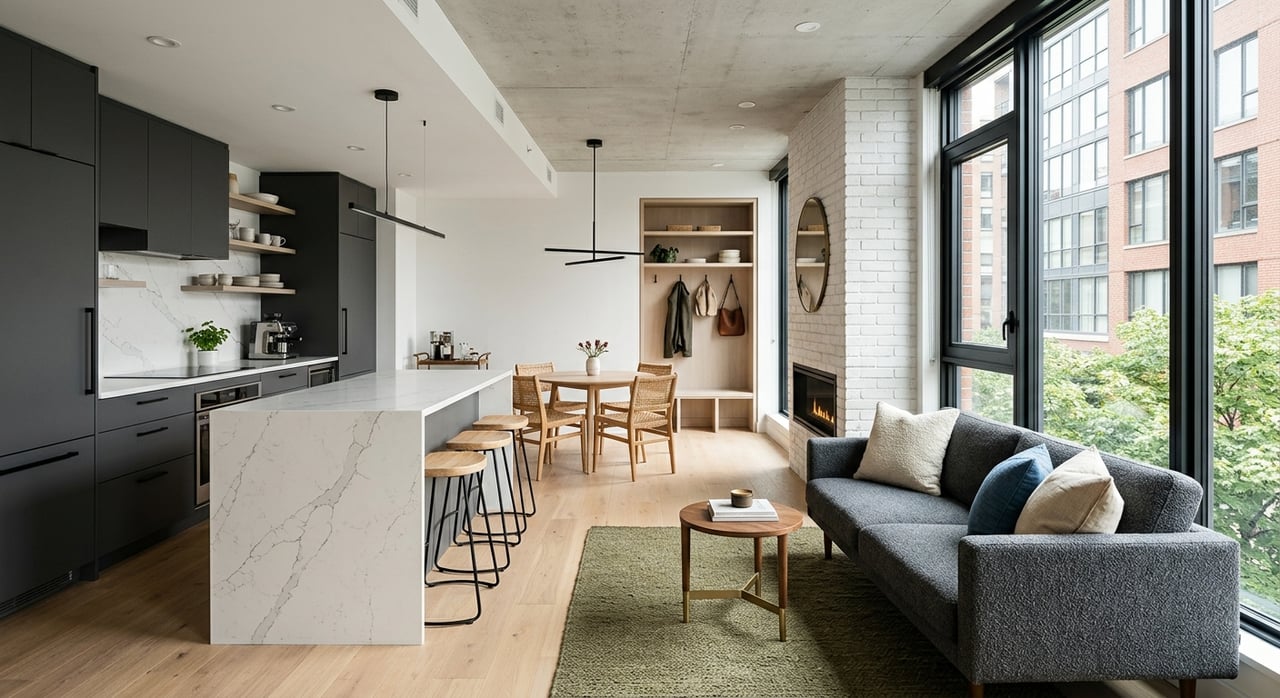
Your living room should feel open, bright, and easy to use. Pull furniture away from walls when appropriate, remove extra pieces, and keep styling simple so the room feels larger.
A clean layout helps buyers understand how the space functions for everyday life. If the room feels crowded, even a well-sized space can read smaller than it is.
Kitchen
The kitchen should look clean, efficient, and easy to maintain. Clear counters as much as possible, tuck away small appliances, and remove magnets, notes, and extra items from the fridge.
If cabinet hardware is worn or a faucet drips, fix it before photos. Small maintenance details can shape how buyers view the whole home.
Primary bedroom
The primary bedroom should feel restful and uncluttered. Use simple bedding, limit furniture to what is necessary, and clear off dressers and bedside tables.
The goal is not to make the room look empty. It is to make it feel calm, spacious, and easy for buyers to imagine as their own.
Dining room
A dining room can help buyers picture gatherings, homework time, or everyday meals. Keep the table styling minimal and make sure traffic flow around the room feels comfortable.
If the space is used for something else right now, try to give it a clear purpose before listing. Buyers tend to respond better when each room has an obvious function.
Make family-lifestyle spaces work harder
Langford is known for its parks, lakes, and access to outdoor recreation, including places like Thetis Lake, Langford Lake, Glen Lake, Florence Lake, and Goldstream Park. Because of that, buyers may pay close attention to spaces that support active daily routines.
That means patios, decks, front yards, mudrooms, and bonus rooms should not feel like afterthoughts. These are the spaces that can help your home connect with how buyers want to live.
Feature these practical spaces
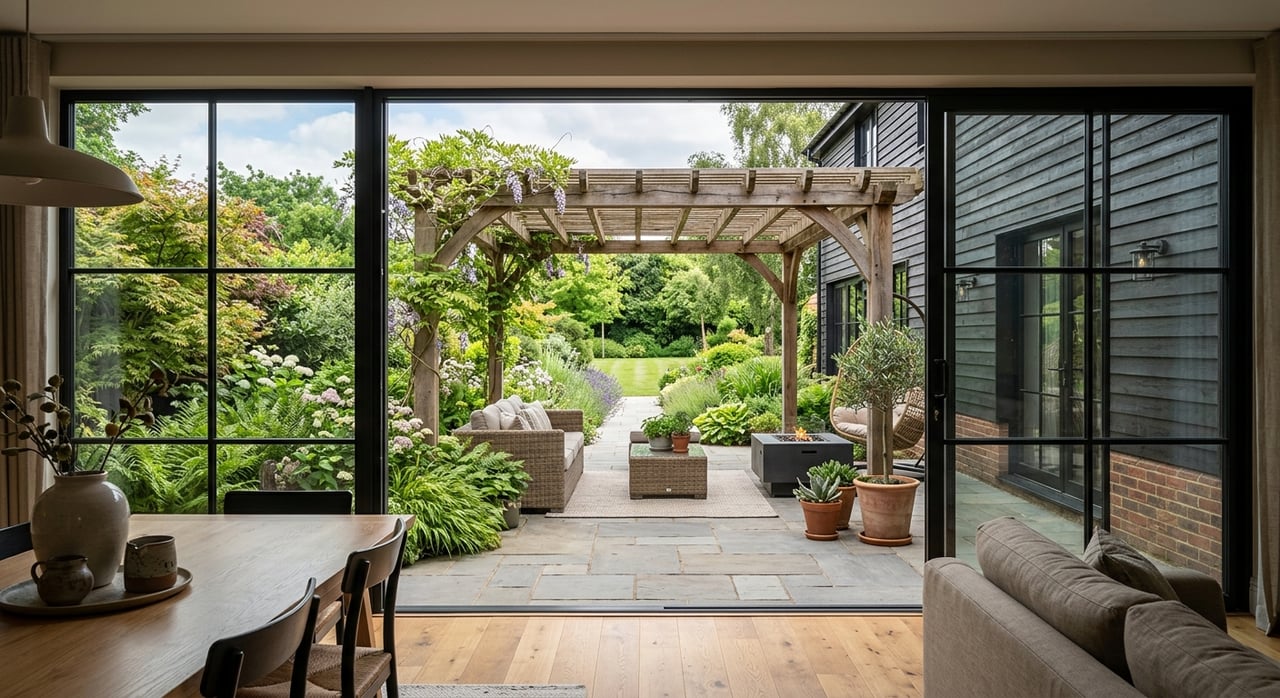
- Decks and patios: Clean surfaces, stage with simple seating, and show how the area can be used for outdoor meals or downtime.
- Entryways and mudrooms: Keep them organized and open. Hooks, benches, and shoe storage should look tidy, not overflowing.
- Front yards: Trim landscaping, clear toys or tools, and create a welcoming first impression.
- Bonus rooms: Give the room a clear identity, such as a play area, office, guest room, or media space.
When these areas are clean and purposeful, they can help buyers picture everyday routines with less friction.
Declutter to make the home feel bigger
Decluttering is one of the simplest ways to improve how your home shows. It helps rooms feel larger, cleaner, and easier to photograph.
Pay special attention to closets, storage rooms, and garage areas. Overfilled storage can make buyers worry that the home does not have enough space, even when the square footage is solid.
Try to edit each room until it feels comfortable, not crowded. If you are unsure whether something should stay, remember that less visual noise usually helps buyers focus on the home itself.
Fix issues before photos and showings
Today’s buyers often start with listing photos, video, and virtual tours. If your home looks polished online, you have a better chance of earning strong interest and better-quality showings.
That is why pre-listing repairs matter. Minor defects that seem manageable in daily life can stand out quickly in professional photography and during in-person visits.
Common issues worth addressing
- Burnt-out light bulbs
- Peeling caulk
- Scuffed paint
- Sticky doors or windows
- Leaky taps
- Loose railings or handles
- Damaged flooring transitions
- Stained grout or carpet
These fixes are usually more cost-effective than major renovations, and they support the move-in ready feeling buyers are looking for.
Treat disclosure as part of preparation
In British Columbia, a property disclosure statement is commonly used, though it is voluntary and there is no prescribed form. BCFSA says sellers should complete disclosure accurately and to the best of their knowledge because full and frank disclosure can enhance marketability, while inadequate disclosure can make a sale harder and increase litigation risk later.
BCFSA also says sellers have a common-law duty to disclose latent defects. These can include issues such as basement leaks, structural damage, building-envelope failure, underground storage tanks, water potability issues, unremediated illegal-use damage, radon, and electrical or gas work completed without proper permits or inspections.
For that reason, disclosure should not be treated like an afterthought. It is part of getting your home truly market-ready.
Gather documents early
Before your home goes live, it helps to collect:
- Permit records
- Renovation invoices
- Appliance and system warranties
- Recent inspection reports
- Receipts for major repairs or maintenance
- Any available records tied to electrical, gas, drainage, or structural work
When information is organized early, you can answer buyer questions more smoothly and reduce surprises during negotiations.
Consider virtual staging carefully
If your home is vacant, virtual staging can help buyers understand scale and layout. It can be a useful tool when done thoughtfully.
If any digital enhancement materially alters the property, those changes should be disclosed. The goal is to help buyers visualize the home clearly, not to create confusion about what is actually there.
Strong marketing starts with strong visuals
Buyers’ agents rate photos, videos, virtual tours, and physical staging as highly important. That is especially relevant in a market where buyers are comparing many listings before deciding which homes to visit.
A well-prepared home gives marketing a stronger foundation. Professional visuals work best when the property is already clean, decluttered, bright, and well arranged.
For sellers, that means preparation and marketing are not separate steps. They work together to shape first impressions, online engagement, and showing activity.
A smart pre-listing plan for Langford sellers
If you want a simple path forward, focus on the basics first. Most family homes benefit from the same sequence: clean, declutter, repair, document, then market.
Here is a practical checklist to follow before listing:
- Deep clean the entire home
- Remove personal items and excess furniture
- Prioritize staging in the living room, kitchen, primary bedroom, and dining room
- Refresh outdoor and entry spaces
- Complete minor repairs before photography
- Gather permits, invoices, warranties, and inspection records
- Review any disclosure-related concerns early
- Prepare for professional photos, video, and virtual tour assets
This kind of planning helps your home show as cared for, functional, and ready for its next chapter.
A lived-in family home does not need to feel perfect to attract buyers. It needs to feel well maintained, thoughtfully presented, and easy to trust. In Langford’s balanced market, those qualities can help your home stand out across the Westshore and connect with buyers who are ready to act.
If you are getting ready to sell and want calm, hands-on guidance with preparation, presentation, and trusted local referrals, connect with Coastal Living Collective, Victoria BC.
FAQs
What should Langford sellers fix before listing a family home?
- Focus first on visible maintenance items like paint touch-ups, leaks, sticky doors, loose hardware, worn caulking, and lighting issues. These small fixes can improve photos, showings, and buyer confidence.
Which rooms matter most when staging a Langford home for sale?
- The living room, primary bedroom, dining room, and kitchen are the key rooms to prioritize, with the living room often carrying the most weight for buyer impression.
Should you renovate or just freshen a Langford detached home before selling?
- In many cases, freshening, cleaning, decluttering, and minor repairs offer a better return than major renovations. Buyers often respond most strongly to a home that feels clean, functional, and move-in ready.
Why is disclosure important when selling a home in British Columbia?
- BCFSA says full and accurate disclosure can enhance marketability, while inadequate disclosure can make a sale harder and increase risk later. Sellers also have a duty to disclose latent defects.
What documents should Langford homeowners gather before listing?
- Helpful records include permit documents, renovation invoices, warranties, inspection reports, and receipts for major repairs or system work. Having these ready can make the process smoother for both you and prospective buyers.