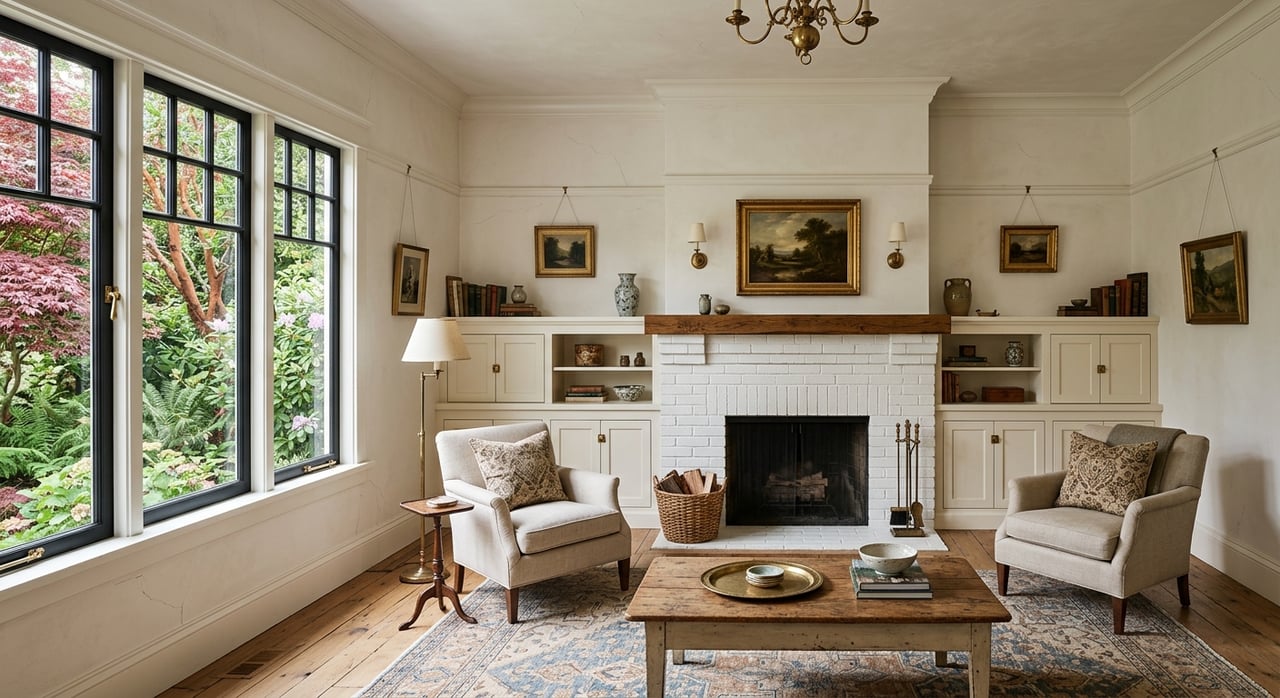
Wondering how to sell an older Oak Bay home without losing the story that makes it special? If your property has original millwork, mature gardens, a wide verandah, or a place in Oak Bay’s heritage fabric, you are not just selling square footage. You are selling character, stewardship, and context, and buyers will want clear answers about all three. This guide will help you understand what matters most, what to prepare before you list, and how to present your home with confidence. Let’s dive in.
Know what "heritage" really means
One of the biggest mistakes sellers make is using heritage terms loosely. In Oak Bay, a home might simply be an older character property, or it could be on the Community Heritage Register, be heritage designated, be subject to a heritage revitalization agreement, or sit within a Heritage Conservation Area.
Those labels are not interchangeable. In British Columbia, being listed on a heritage register recognizes heritage value, but it does not by itself create permanent legal protection. Heritage designation does carry legal effect, and certain changes may require a heritage alteration permit.
That distinction matters when you market the property and when buyers start asking questions. If your home is in the Prospect Heritage Conservation Area, Oak Bay’s current guidance says heritage alteration permits are still needed for additions, new construction, or alterations to existing buildings, structures, land, or features.
Confirm status before you list
Before your home goes live, verify exactly how Oak Bay classifies it. A buyer will want to know whether the property is simply older and well preserved, or whether there are formal protections that could affect future changes.
Oak Bay’s bylaw allows the Director of Building and Planning to withhold permits for register-listed properties if proposed work would alter the exterior, change the structure, move, or demolish the building. Council review may follow. In designated cases, restrictions may also apply to exterior alterations, structural changes, moving the building, certain interior features, landscape features, and even excavation or construction on protected land.
This is also why title review matters. Conservation covenants can run with the land and bind future owners, so the legal picture is just as important as the house itself.
Build a strong pre-listing file
The most helpful thing you can do before listing is create a simple, organized property file. Buyers tend to feel more comfortable when they can see what is original, what has been restored, what has been replaced, and what was added later.
A strong pre-listing package may include:
- Heritage status confirmation
- Statement of Significance, if one exists
- Designation bylaw or heritage permit history
- Old building permits
- Archived photographs
- Notes on renovations, repairs, and dates completed
- Any available appraisal cards or archival records
Oak Bay Archives can be especially useful here. Its collections include historical records, photographs, family papers, a building-permits index through the end of 1960, and appraisal cards that may show the construction date, builder, additions, floor plan, and exterior photographs.
Use records to support your story
Character homes often sell best when the story is specific, not vague. Instead of saying a home is “full of charm,” it is far more credible to show how its history connects to a builder, architect, original owner, or a particular period in Oak Bay’s development.
If you have permit records, archival images, or documentation tied to the home’s past, use them to support the listing narrative. That kind of proof helps buyers understand why the property stands out. It also reinforces that the home’s appeal is based on authenticity, not just age.
Be careful with pre-sale updates
It can be tempting to tidy everything before listing, but older and heritage-related properties need a thoughtful approach. In some cases, building, demolition, landscaping, or excavation work could trigger heritage review or archaeology review.
Checking early can save time and stress. If your home is in an area with heritage guidelines, even seemingly simple exterior work may deserve a closer look before you start.
That is especially true in Prospect, where local guidelines emphasize minimizing site disturbance and retaining or repairing historic landscape elements. Features like gates, stone walls, house numbers, and mature planting may be part of the property’s overall heritage character, so a cleanup should preserve those elements rather than erase them.
Expect buyers to focus on condition
Even when buyers love the look of an older Oak Bay home, they will still focus on practical issues. Moisture is often the first concern because older houses may have uncontrolled ventilation, limited insulation, and damp or poorly sealed basements.
Moisture problems can affect more than comfort. Over time, they may weaken foundations, rot structural members, and contribute to mould, so buyers and inspectors tend to pay close attention.
Prepare for common inspection issues
Older homes often come with a short list of predictable inspection themes. That does not mean a sale will fall apart, but it does mean clear preparation helps.
Common issues buyers may flag include:
- Moisture intrusion or damp basements
- Rotted beams or sagging joists
- Cracked plaster
- Sticking windows or doors
- Masonry wear
- Chimneys or mortar needing repointing
- Older plumbing materials
- Electrical panels that may need updating
- Little or no insulation behind older plaster walls
If you already know the condition of these items, you are in a much better position to price properly and answer questions clearly. Buyers are often less worried by an older system than by uncertainty.
Handle lead and asbestos carefully
In homes of this era, lead and asbestos should be treated as standard due diligence. Lead may be present in older paint and some plumbing components, especially in homes built before the mid-20th century. Asbestos may still be found in siding, plaster, tiles, roofing, and other older materials.
If touch-ups or repairs are planned before listing, avoid aggressive disturbance of suspect materials. Health guidance warns against sanding or using heat guns or blowlamps on lead paint, and qualified professionals are recommended where lead or asbestos may be present.
Price for authenticity and clarity
In Oak Bay, the premium for a character or heritage home usually comes from a combination of authenticity, documented stewardship, and location. Age alone is not enough.
That means pricing should reflect both the strengths and the unanswered questions. If there is deferred maintenance, unpermitted work, or likely heritage-related constraints, buyers may price in that risk.
On the other hand, when you can clearly show what has been repaired, permitted, preserved, and improved, the home becomes easier to understand. That clarity can support stronger buyer confidence and a more credible premium.
Show the whole setting
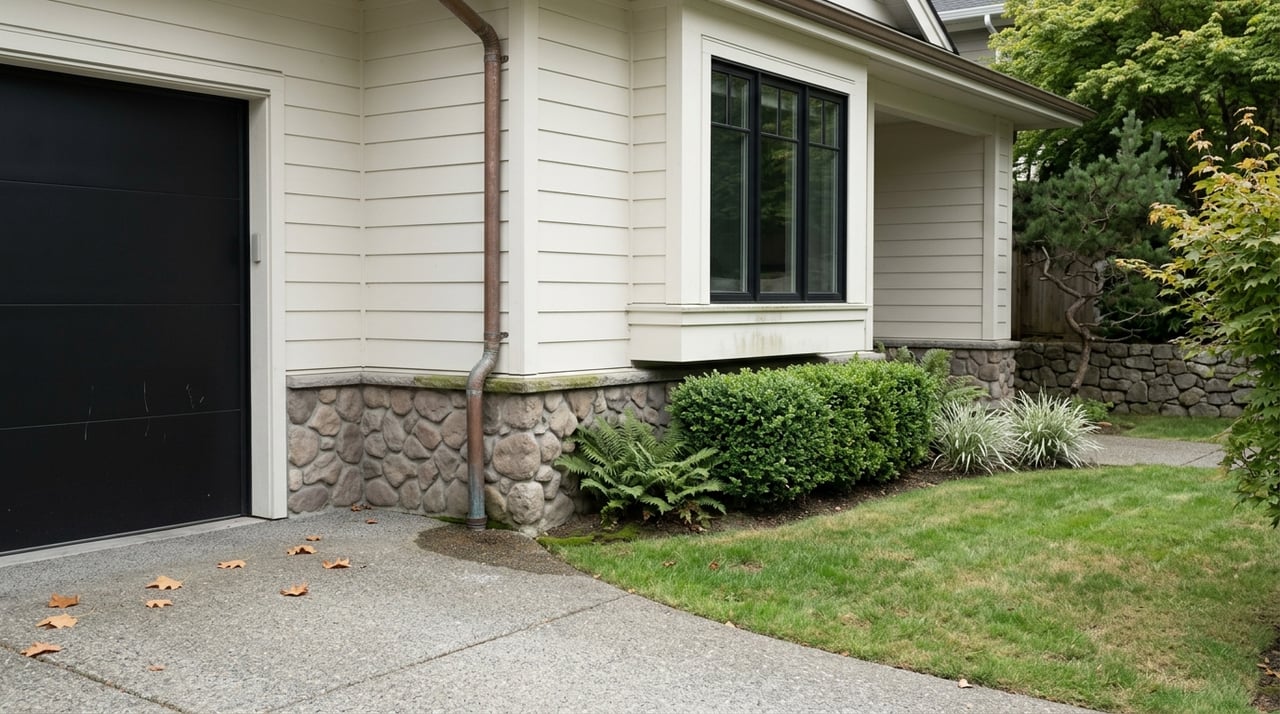
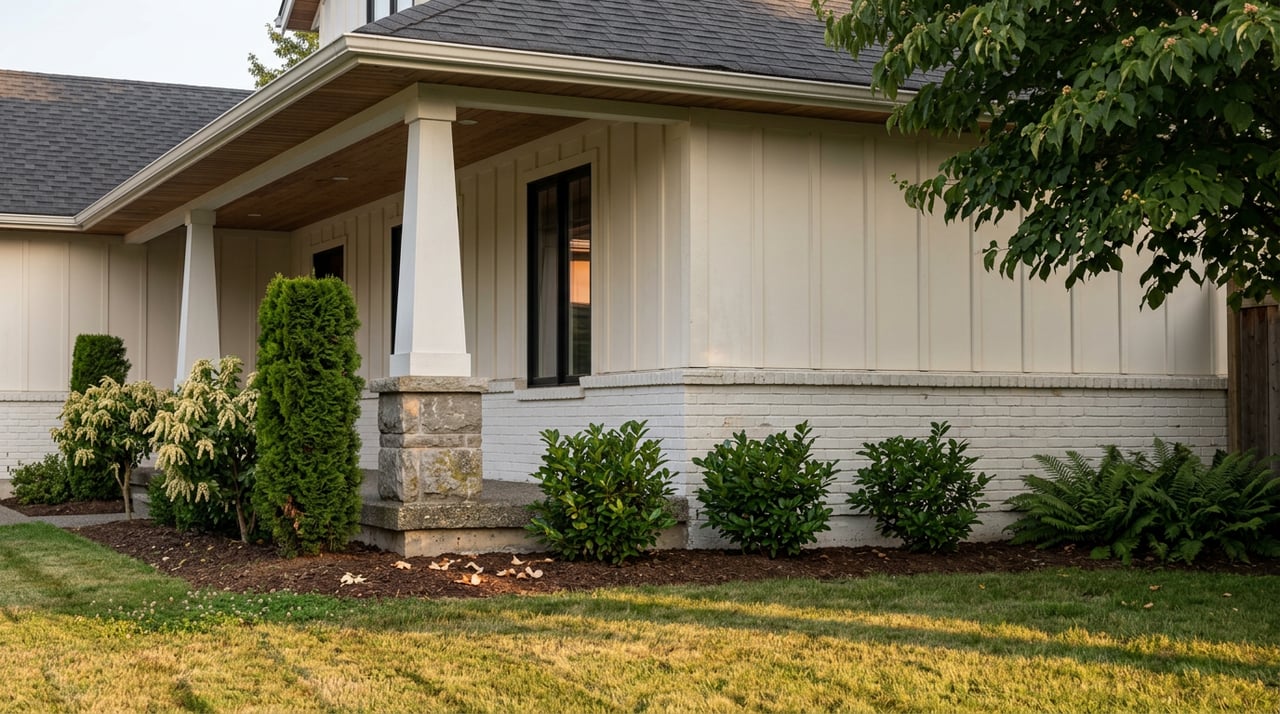
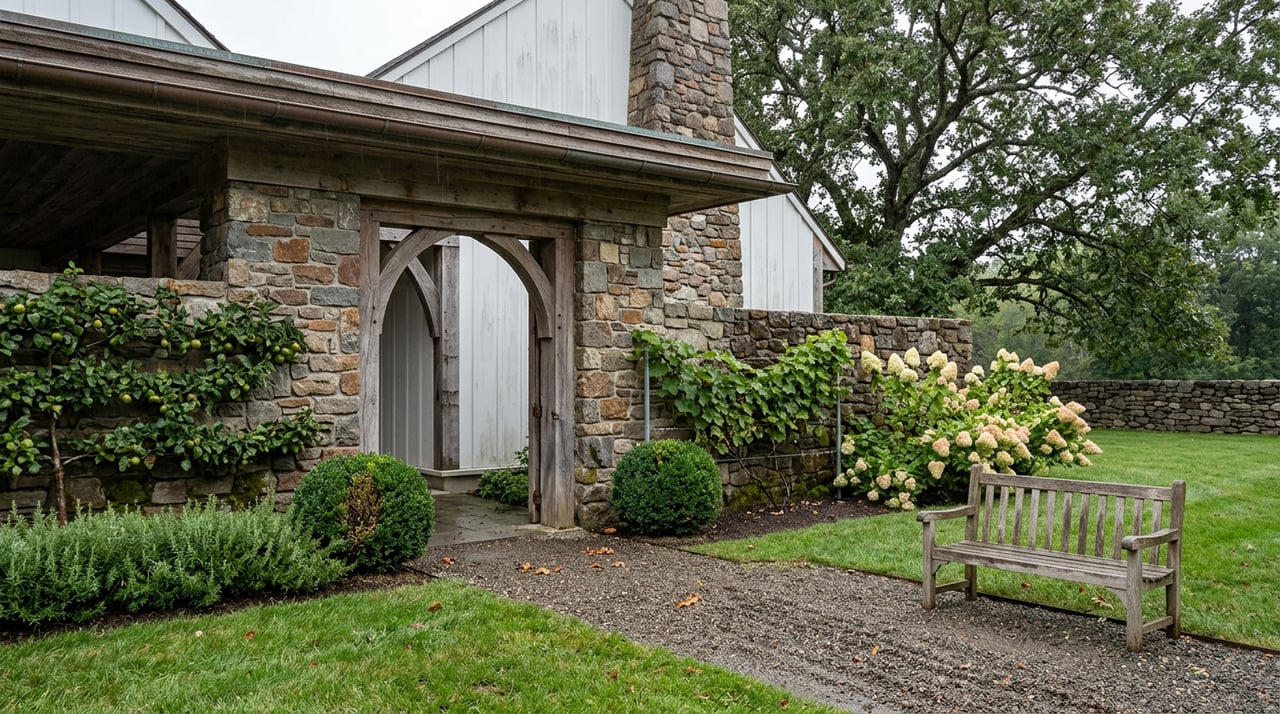
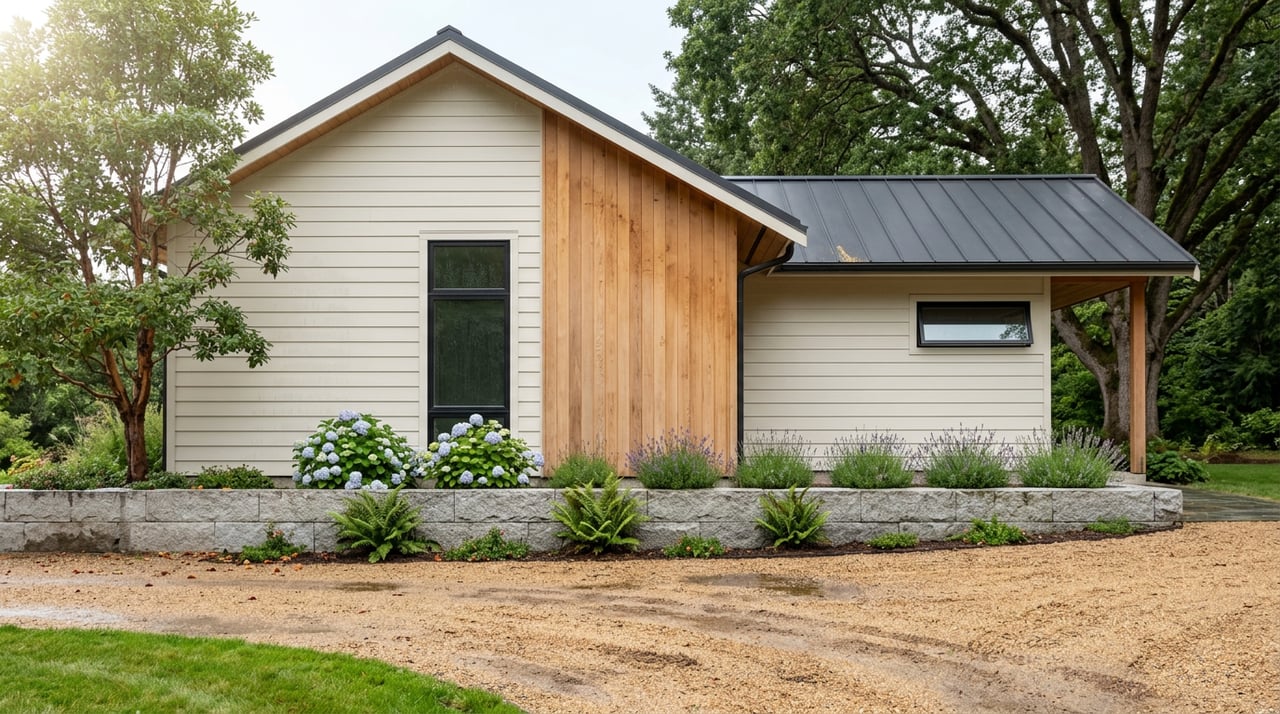
For a home like this, visuals should do more than highlight updated countertops or staged furniture. Buyers need to see the full composition of the property and how the house sits in its setting.
That often means showing:
- Rooflines and chimneys
- Verandahs and entry details
- Stone walls and gates
- Mature trees and established gardens
- Setback and site relationship
- View corridors, where relevant
Oak Bay’s heritage materials repeatedly point to landscaped grounds, original stone walls and piers, mature gardens, and wide verandahs as part of a property’s heritage value or character-defining features. For many buyers, those exterior elements are part of the emotional draw.
Market updates without erasing character
Buyers often want a home that feels functional now, not frozen in time. The key is to show which updates support everyday living while respecting the property’s original character.
If the home works well for downsizers or right-sizers, it can help to highlight practical details that improve daily use. Things like lever handles, benches at entrances, swing-away hinges, or clear paths of travel can help a character home feel easier to live in without changing its identity.
Use precise listing language
Words matter when you market a heritage-related home. If the status is not verified, avoid calling it heritage designated, heritage listed, or part of a Heritage Conservation Area.
Instead, use the exact term supported by the property records. Precise language builds trust, avoids confusion, and helps attract buyers who understand the value of what they are seeing.
Sell stewardship, not perfection
The most effective message is usually not that the house is flawless. It is that the home has been cared for thoughtfully, its character has been respected, and its condition has been presented honestly.
That means being upfront about repair needs while also showing what makes the home rare. Fresh finishes should never be used to distract from water damage or other underlying issues. Buyers in this segment tend to respond best when the story is clear, documented, and believable.
Why Oak Bay buyers pay attention
Oak Bay’s heritage appeal is about more than one house. The district’s planning and heritage materials highlight architecture, original details, mature landscaping, streetscapes, and the relationship between a house and its setting. The Official Community Plan also recognizes heritage conservation as a way to protect clusters of heritage buildings and their associated character.
That broader context matters in a sale. Buyers are often drawn not only to the home itself, but also to how it contributes to the feel of the street and the surrounding area.
If you are thinking about selling a character or heritage home in Oak Bay, the strongest strategy is usually simple: verify the legal status, document the home’s story, prepare for condition questions, and present the property with care. For tailored guidance, polished marketing, and local insight rooted in Oak Bay, connect with Coastal Living Collective, Victoria BC.
FAQs
What is the difference between a character home and a heritage home in Oak Bay?
- A character home may simply be older and architecturally appealing, while a heritage home may be formally listed on the Community Heritage Register, heritage designated, subject to a heritage revitalization agreement, or located in a Heritage Conservation Area.
Does a Community Heritage Register listing protect an Oak Bay home from changes?
- Not by itself. In British Columbia, register listing identifies heritage value but does not create permanent legal protection on its own, although Oak Bay’s bylaw can affect permit processing for register-listed properties.
Do Oak Bay heritage homes need permits for renovations?
- Some changes may require municipal review or a heritage alteration permit, especially for designated properties or homes in the Prospect Heritage Conservation Area.
What documents should you gather before selling an older Oak Bay home?
- It helps to gather heritage status records, permit history, archived photos, appraisal cards, renovation notes, and any Statement of Significance or designation documents tied to the property.
What issues do buyers often inspect in older Oak Bay houses?
- Buyers often focus on moisture, structural movement, masonry wear, older plumbing, older electrical systems, insulation gaps, and the possible presence of lead or asbestos.
How should you price a heritage or character home in Oak Bay?
- Pricing usually works best when it reflects preserved original features, documented stewardship, location, and any risk tied to deferred maintenance, unpermitted work, or heritage-related constraints.