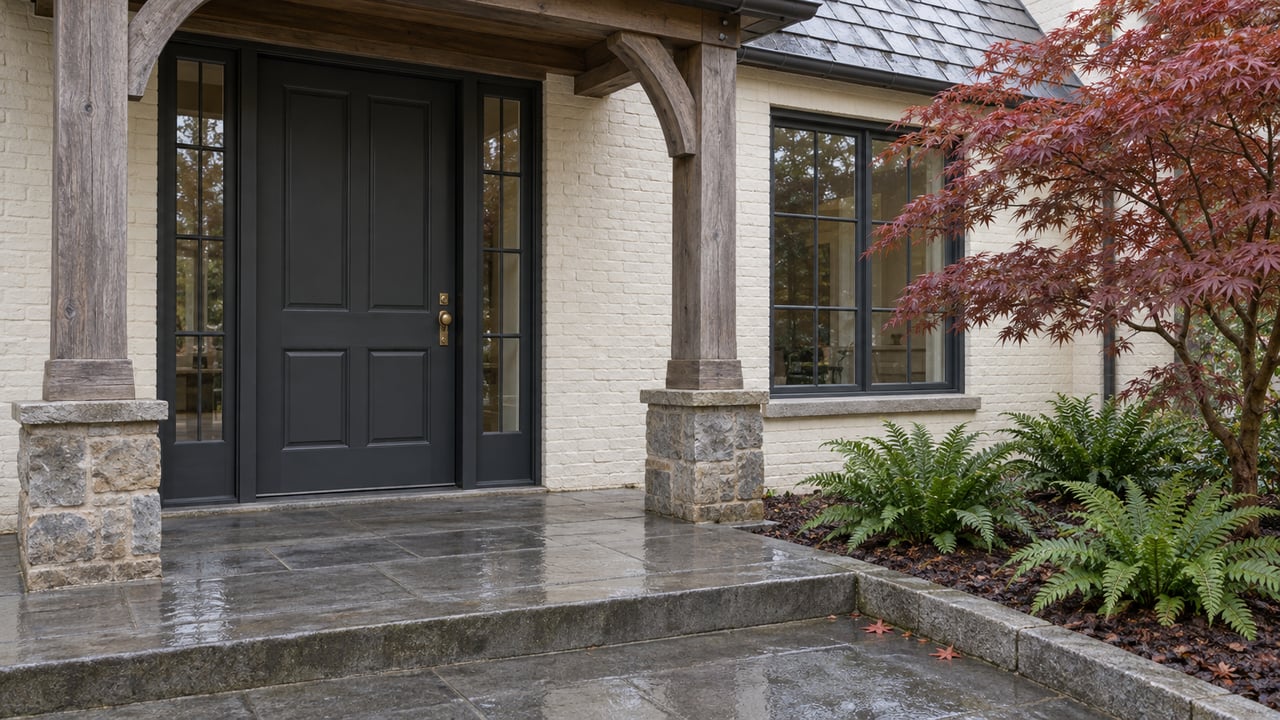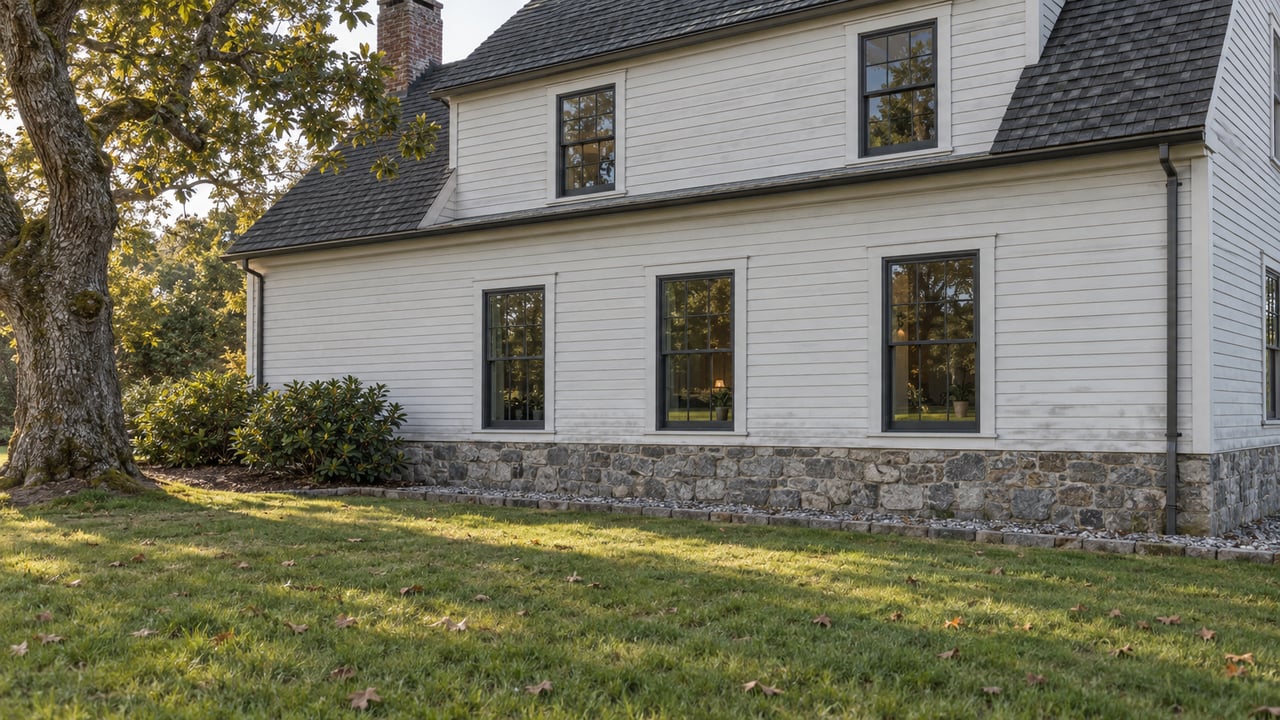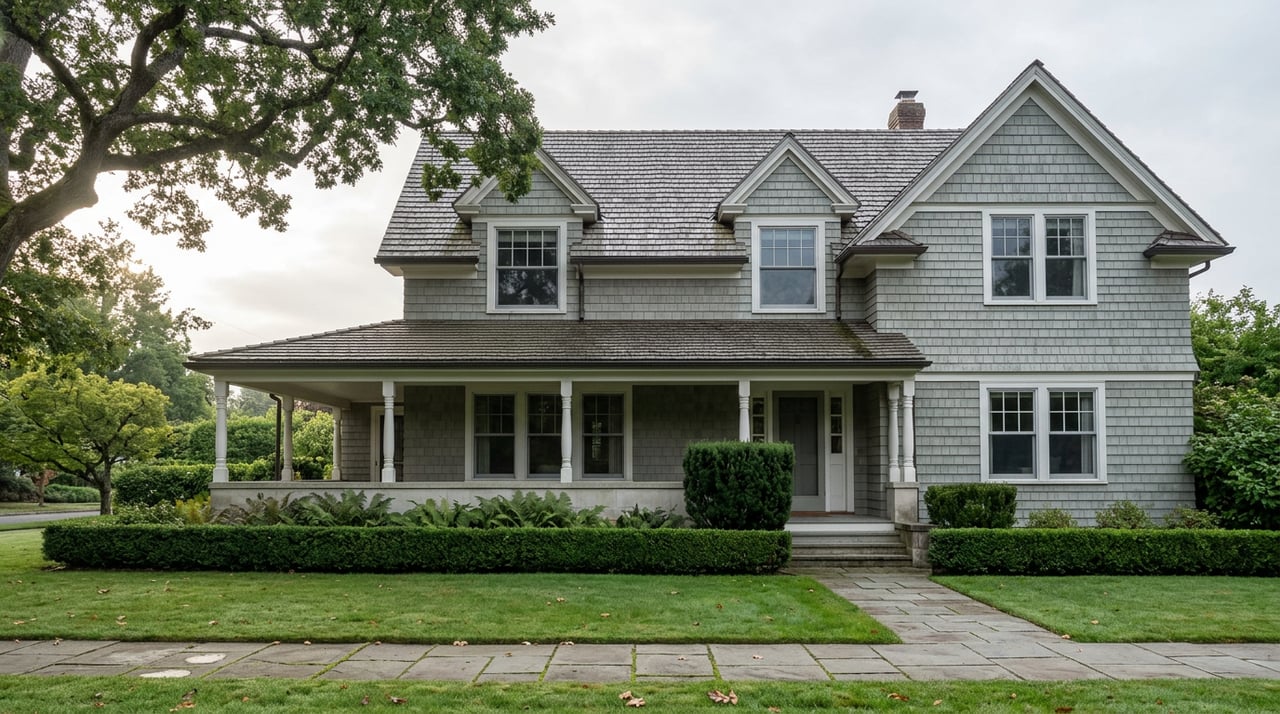
Ask most buyers what "Oak Bay" means for the future of a street and you'll get some version of the same answer: quiet, established, protected. Character homes on generous lots, heritage streetscapes, and a council whose decisions have shaped the pace of change. That reputation is real. It is also, as of 2025, no longer the whole story.
In January 2025, the Province of British Columbia appointed a Housing Supply Act advisor to the District of Oak Bay. No other municipality in the Capital Regional District received one. Not Saanich, not Victoria, not Langford, all of which had to comply with the same provincial density law on the same timeline. Oak Bay is the single case in the region where the province appointed an advisor to review a municipality's response to a housing law.
If you're comparing Oak Bay to Saanich or Fairfield right now, that detail matters more than the median price. It tells you something the listing sheet won't: the "nothing changes here" premium you're pricing in is a political bet, not a legal guarantee, and the odds just shifted.
What the province actually required, and what Oak Bay did with it
The mechanism goes back to November 2023, when the province gave royal assent to Bill 44, the legislation creating Small-Scale Multi-Unit Housing, or SSMUH. The law told municipalities over 5,000 people they had to permit three, four, or six units on most residential lots that had previously allowed only single-family homes, without requiring a rezoning application.
Oak Bay responded with its Infill Housing Program, adopted by council on June 24, 2024, according to the District of Oak Bay's zoning bylaw amendments. It set a four-unit base for qualifying lots and removed Development Permit review for infill housing On paper, that looks like real movement from a district that spent 2021 to 2023 building an infill strategy at its own pace before the provincial deadline took effect.
That's a meaningful change to what a single-family lot legally represents. The province also required further changes. Saanich implemented the same provincial floor and took a different approach on the same deadline; Oak Bay later received a provincial advisor.
The part that surprises people: heritage status doesn't opt you out
The assumption I hear most from buyers looking at Oak Bay, especially anyone drawn to the character streets in South Oak Bay or the Uplands, is that heritage protection and density are separate conversations. They aren't, and the district's own housing FAQ says so directly: SSMUH applies to the Uplands even though it's a National Historic Site, and it applies inside the Prospect Heritage Conservation Area too. Heritage Alteration Permits are still required for additions or new construction in those areas, but the underlying right to build three or four units on the lot exists regardless of the heritage designation sitting on top of it.
That's worth sitting with if you're weighing a heritage-adjacent purchase for its neighborhood character. The character review process still applies to what gets built. The zoning that determines how much can get built does not carve out an exception just because the street looks the way it's always looked. If you're already exploring a character or heritage property in Oak Bay, it's worth reading how heritage status and buildable rights interact before you write an offer, since the two questions get answered by different departments and different bylaws.
What the province required, and why it affects the math
The advisor's appointment wasn't the end of the story. After a review, the Minister of Housing communicated in May 2025 that Oak Bay would need to make further changes.
There's also the cost side. Oak Bay's Development Cost Charges add to the cost of an additional unit, among the higher figures in the region. Layer that onto a market where lots often carry a premium simply for the Oak Bay address, and the development math gets tighter than the same project in Langford or Saanich West, where land costs less to begin with. None of this makes infill impossible in Oak Bay. It does mean the numbers only work on a subset of lots, and that subset shifts every time the province adjusts what's required.
What this means if you're comparing Oak Bay to somewhere else
The district's own Housing Action Program materials put a number on the scale of what's coming: roughly 3,761 net new housing units are meant to be accommodated over the next 20 years as the district works through its Official Community Plan and zoning update. That's not a rezoning that happens once and settles. It's an ongoing process, one where council has already been asked to revisit its own SSMUH regulations again in early 2026, and where the provincial relationship remains active rather than resolved.
If you value Oak Bay's established streetscape, keep in mind that provincial housing requirements can change what local rules permit. If you're looking at Oak Bay as a place to add a secondary suite or a small infill project for income or family, the legal door is open wider than the district's reputation suggests, even on heritage-adjacent streets, though you should confirm the applicable parking and variance standards before proceeding.
Either way, the right move before you write an offer or list a lot is the same: confirm the current zoning designation, lot size threshold, and any Oak Bay bylaw changes directly with the District's Building and Planning department, since the rules described here reflect the framework as of 2026 and the province has required Oak Bay to make adjustments.
A few questions worth asking before you commit
Does SSMUH override an Oak Bay heritage designation? No. The zoning right to build multiple units exists independently of heritage status
Is Oak Bay's four-unit base likely to change? It's possible. Council was asked in January 2026 to consider changes to its own SSMUH zoning regulations, and the province's ongoing oversight role means further adjustment is a live possibility rather than a settled question.
Should a buyer interested in infill potential check the parking and variance rules? If a specific lot's development math depends on parking coverage or a fast variance timeline, it's worth checking Oak Bay's current standards before removing subjects.
If you're weighing an Oak Bay purchase against Saanich, Fairfield, or another Greater Victoria neighborhood and want a clear read on what a specific lot can actually support, Coastal Living Collective can walk you through the current zoning and applicable standards for a specific lot, and what they mean for your plans. What's Your Property Worth?
This article is general information, not legal, tax or financial advice. Consult a qualified professional about your situation.